When climate lessons leave the textbook
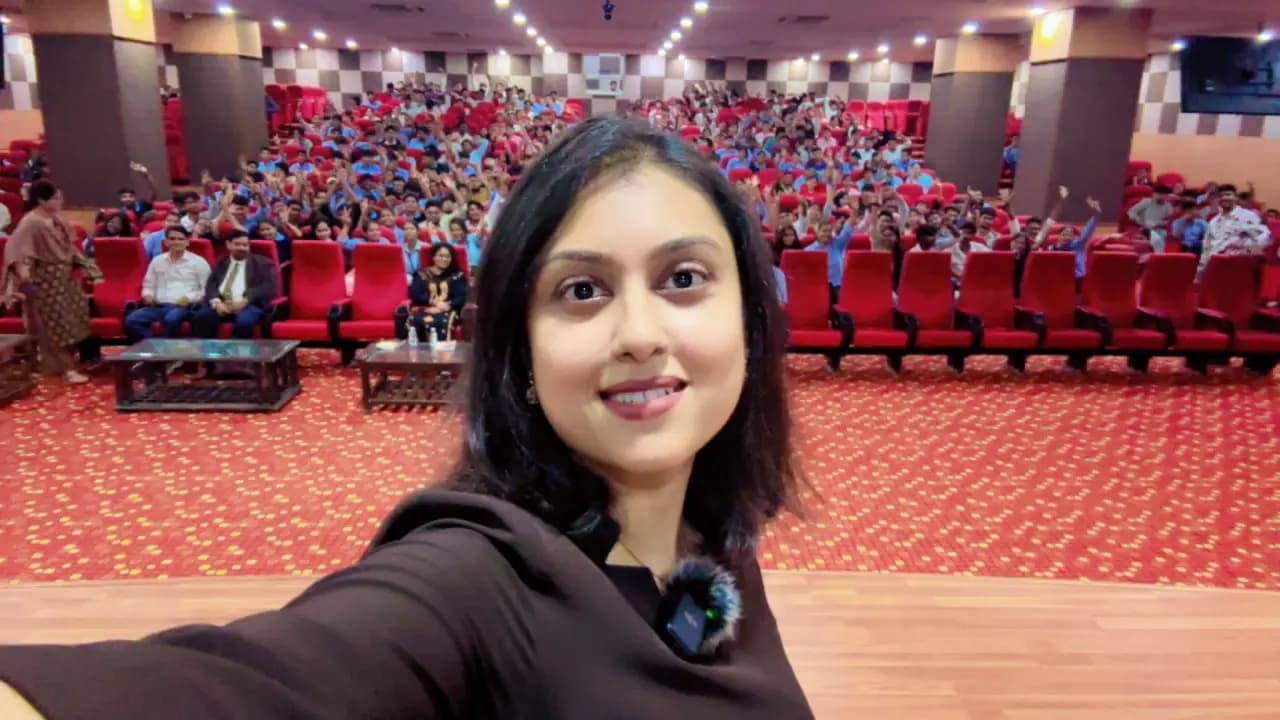
More than 4,000 students have taken part in our Climate Lab activities. A look at how practical sessions connect climate science with everyday decisions.
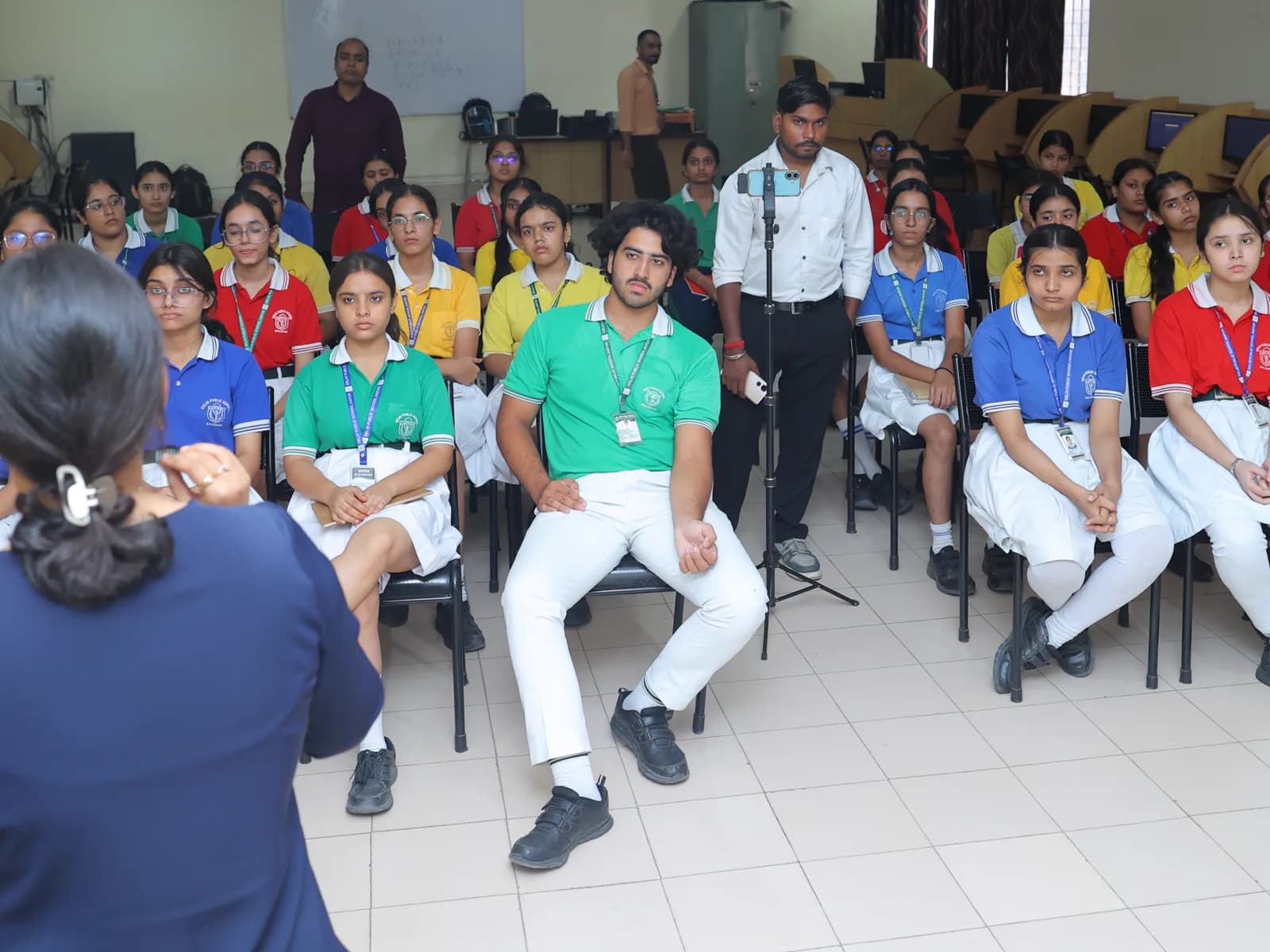
Climate change is not just a topic for environmental science classes. It affects health, food, water, energy, livelihoods, cities and the future of every young person. Yet students may complete entire courses without fully exploring how climate risks and sustainability affect their future professions.
Climate Leadership Action, Hiba Green Foundation's education initiative, was built to close that gap. It helps students understand these connections and turn climate knowledge into practical action.
From a talk to a lab
The programme runs through six phases of climate talks and practical Climate Labs. Early sessions introduce climate change, its causes and its relevance to everyday life. Later phases use guided activities to connect concepts with environmental challenges students can observe, and ask them to develop realistic actions for their school, home or community.
- Climate guest lectures that bring real-world challenges into the classroom.
- Practical Climate Labs where students investigate issues and test ideas.
- Sustainability workshops on waste, resources and campus-level action.
- Structured reflection and assessment to see what students have learned.
What students told us
More than 4,000 students have taken part so far. In our Climate Lab survey, 98% of young people said their perspective on climate change had changed, 91% were open to plant-based meals, and 74% have successfully grown microgreens.
Climate education should complement existing curricula and help students understand the environmental implications of the knowledge and skills they are acquiring.
What comes next
This experience gives us a foundation to take practical climate education to more schools, colleges and institutions. Every session needs preparation, material, facilitation and time, and our long-term ambition is to reach 1 Million+ young people by 2030.