Microgreens Production Lab
Support for the lab's production and operating requirements, including growing trays, seeds, growing media, racks, lighting where required, water management and routine maintenance.
Giving Life Back to Nature
Punarjeevan works to revive biodiversity, nurture native species, and restore the natural connections between forests, rivers, soil, and wildlife
Restoring biodiversity means more than saving individual species; it means reviving the natural systems that sustain life. Healthy rivers, living soils, diverse habitats, and thriving native species form the foundation of ecological resilience. Protecting these connections today helps create a world where nature can regenerate for generations to come.
Yet many species face growing pressures from habitat degradation, pollution, climate change, unsustainable resource use, and the loss of suitable growing environments.
Through Punarjeevan, HGF aims to create practical pathways for recovering species that need renewed attention and support. Our approach includes developing growing systems, experimenting with microgreens production, establishing species-growing facilities, and building collaborations that can help conservation efforts grow.
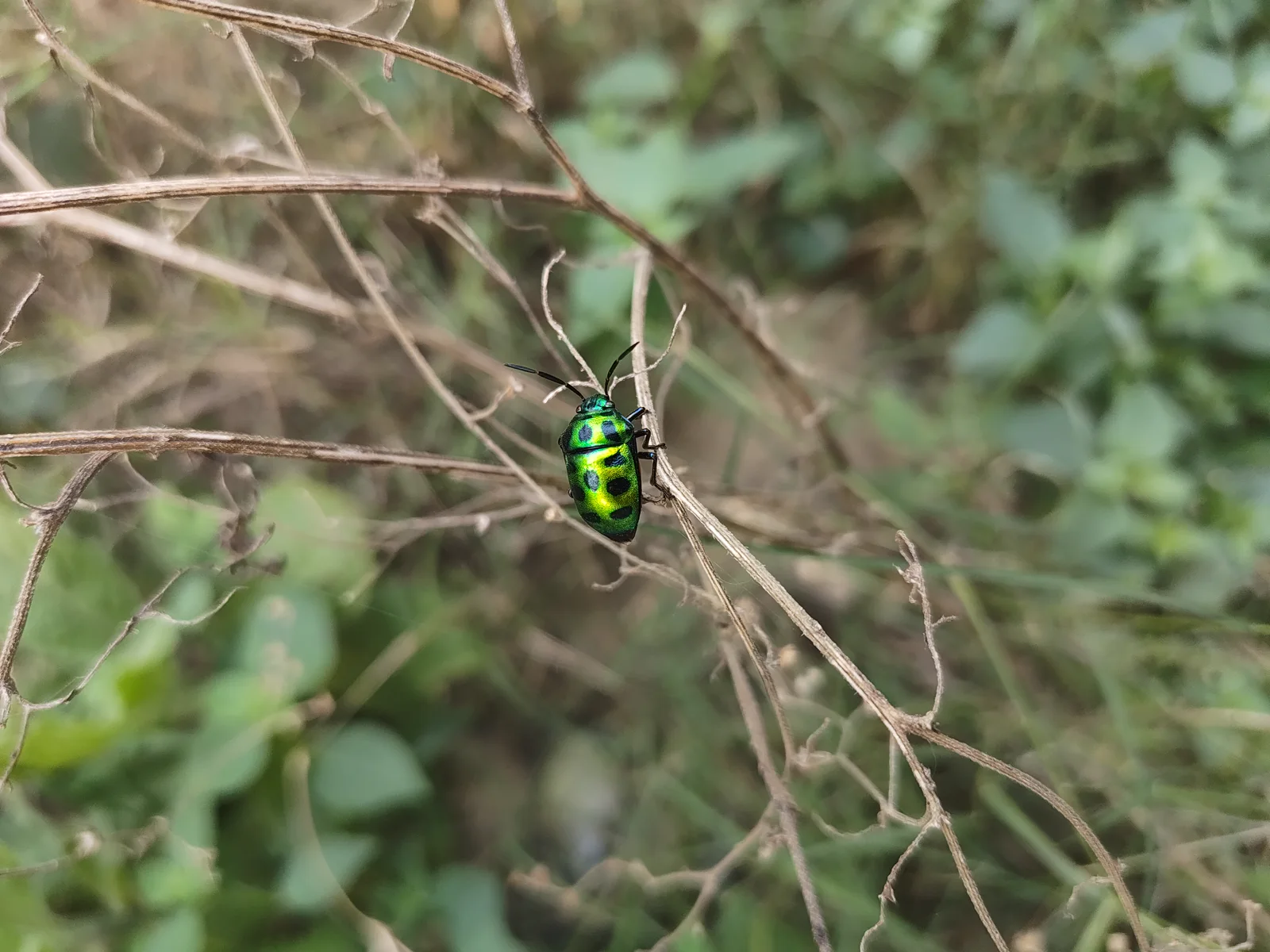
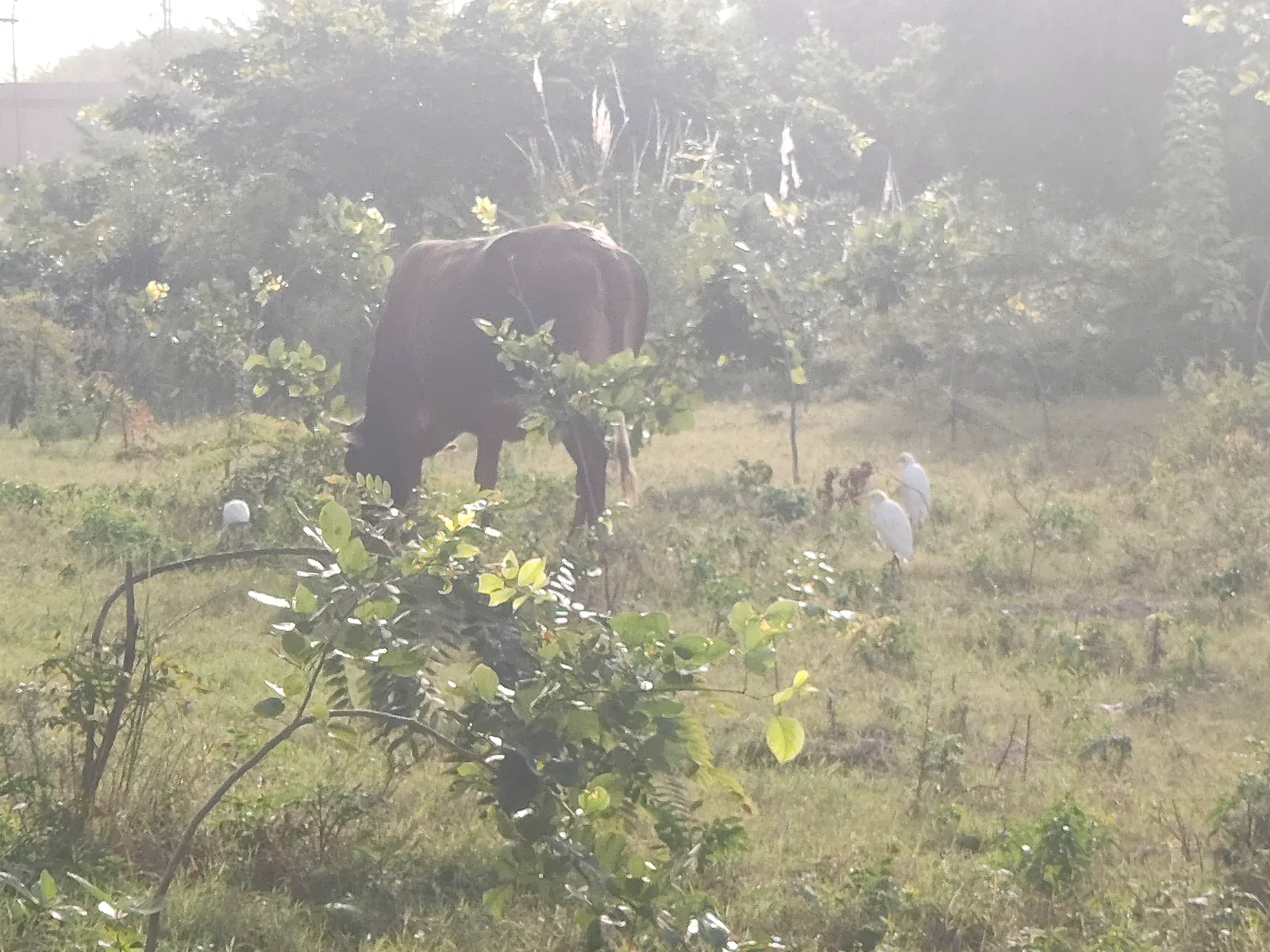
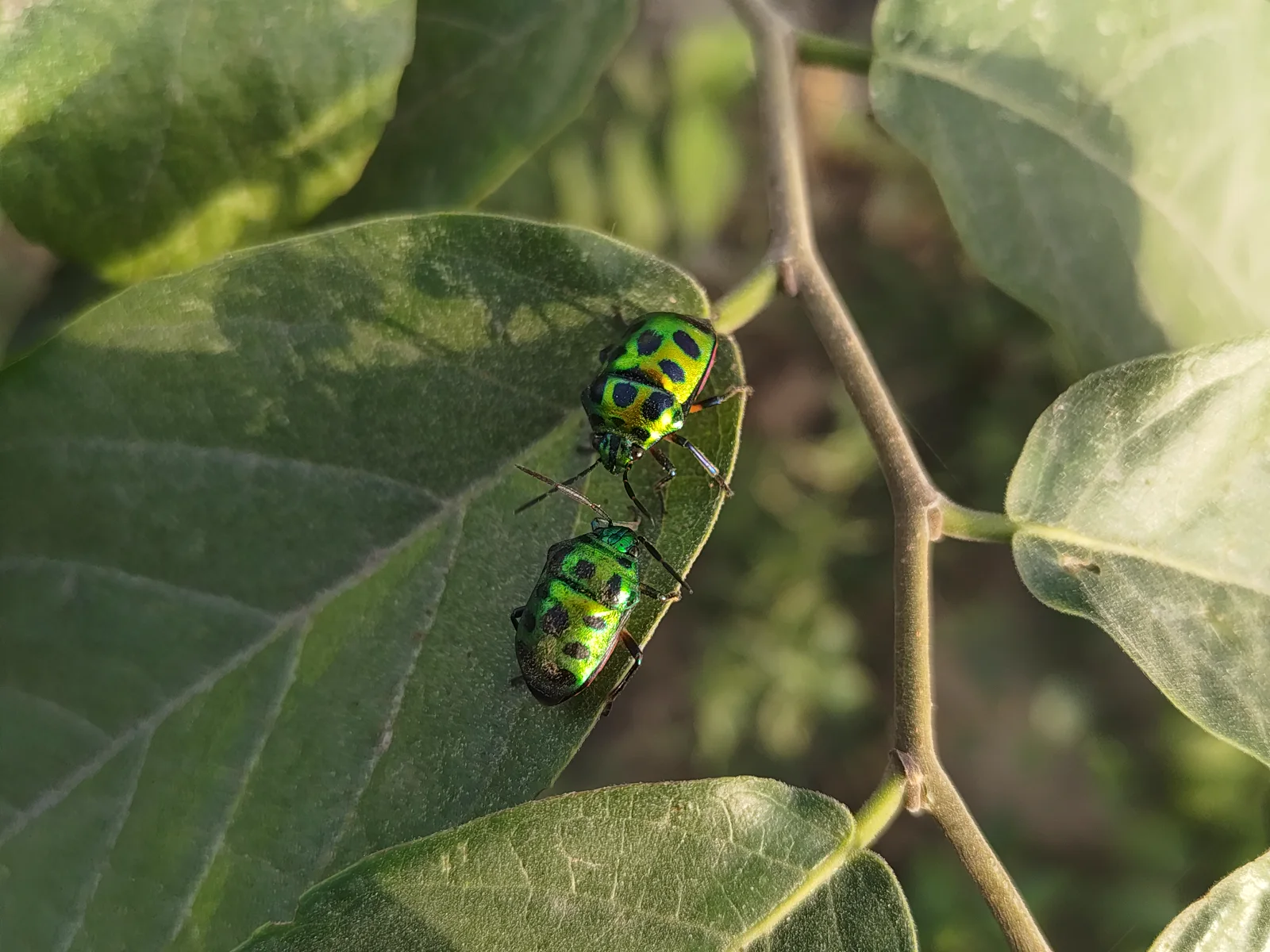
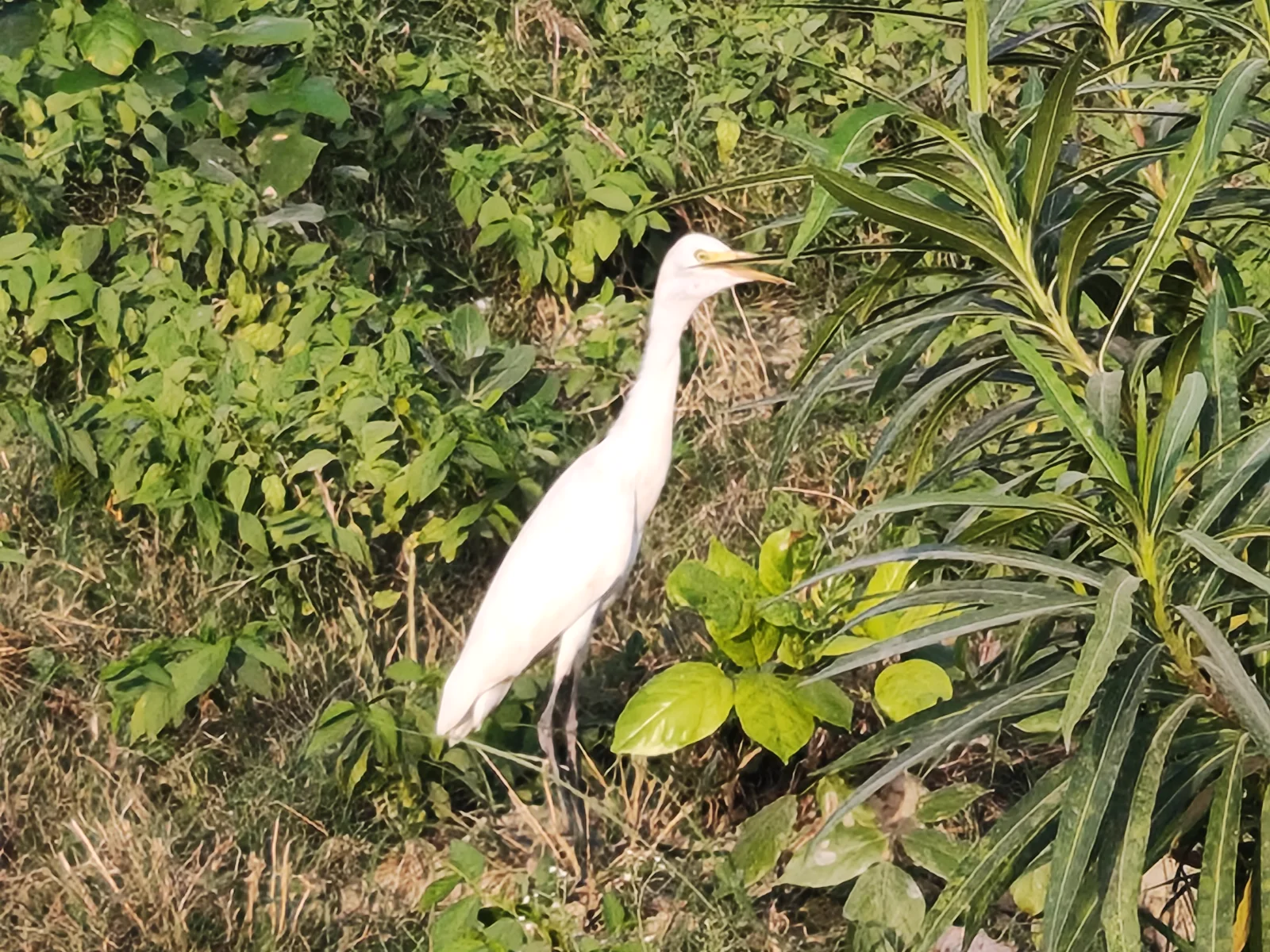
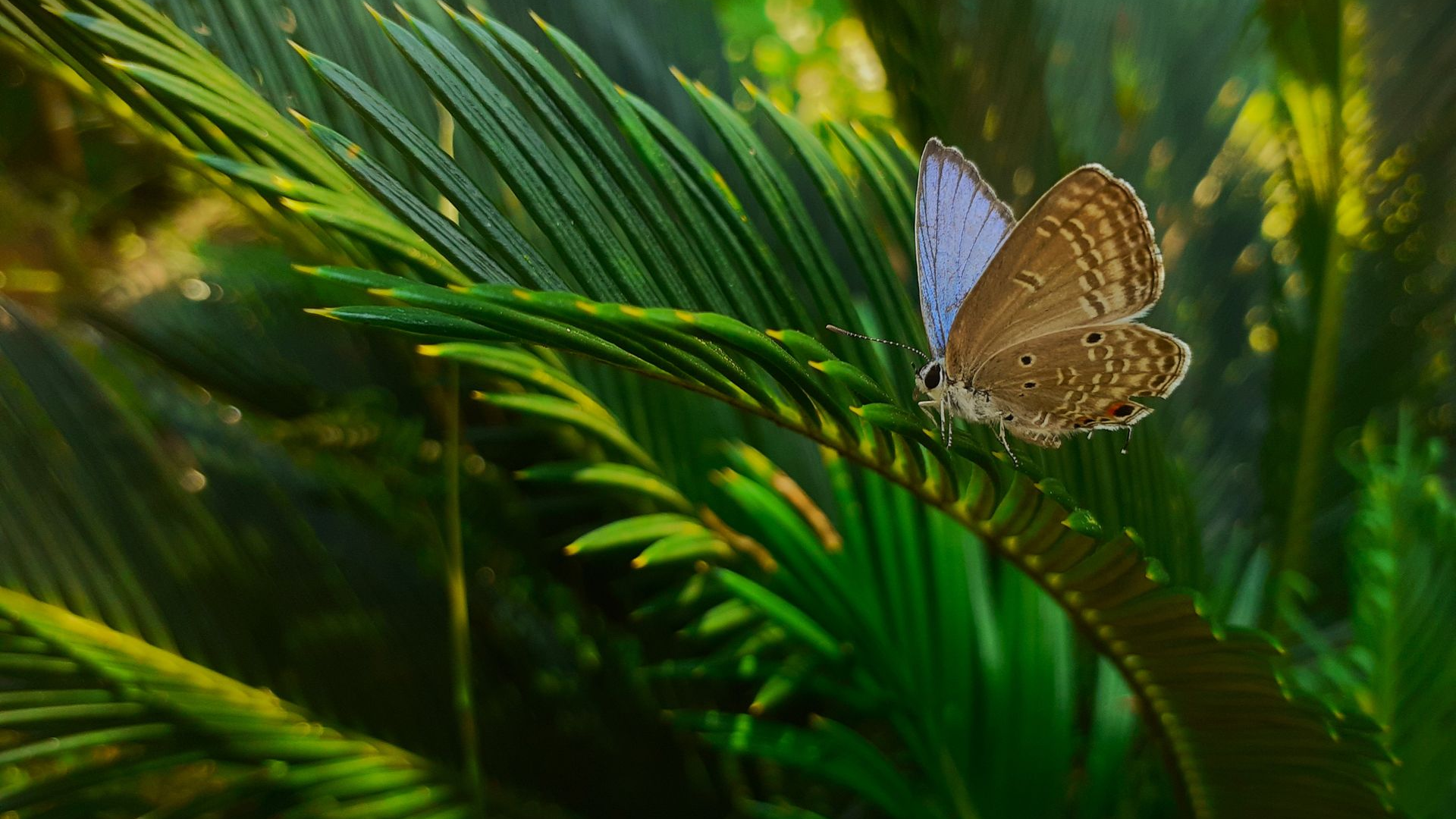
Life returning to the Sector 2 Green Belt
Observations recorded by Hiba Green Foundation's field team, many with photographs. Species-level identification is in progress.
India is home to extraordinary biodiversity, from forests and grasslands to wetlands, mountains, rivers, and coastal ecosystems. But species face increasing pressure from habitat loss, invasive species, pollution, climate change, and human activity.
The loss of one species can affect other organisms and the ecological relationships that sustain an ecosystem. Species recovery is therefore not just about protecting individual plants or animals — it is about supporting the systems in which they survive.
642of 2,970
Indian plant species assessed by IUCN are threatened (Critically Endangered, Endangered or Vulnerable).
Indian plant species on the IUCN Red List
Source: PIB, 1 Aug 2024 (citing BSI)
More sources:IUCN Red List National Biodiversity Authority Botanical Survey of India Zoological Survey of India
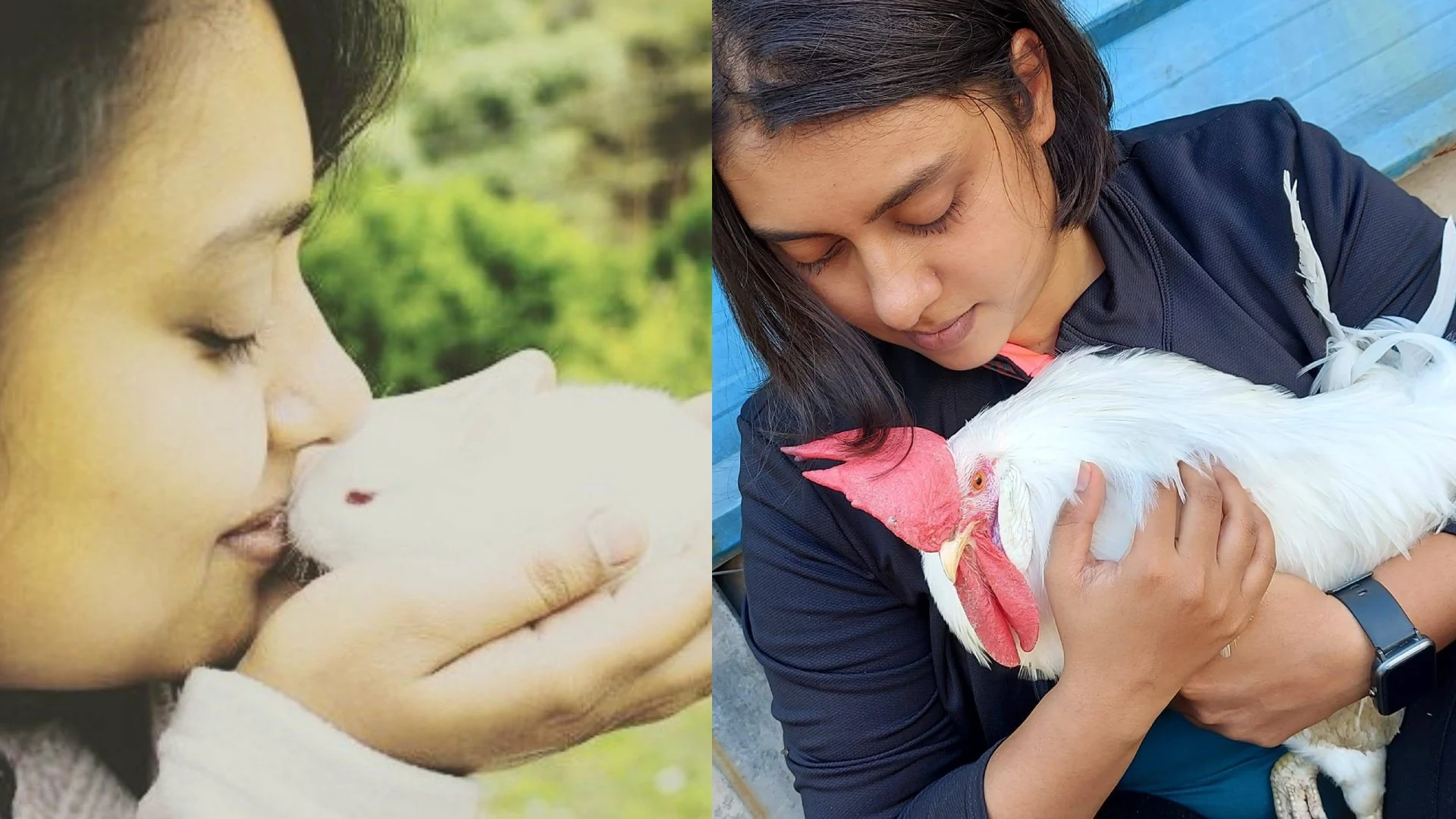
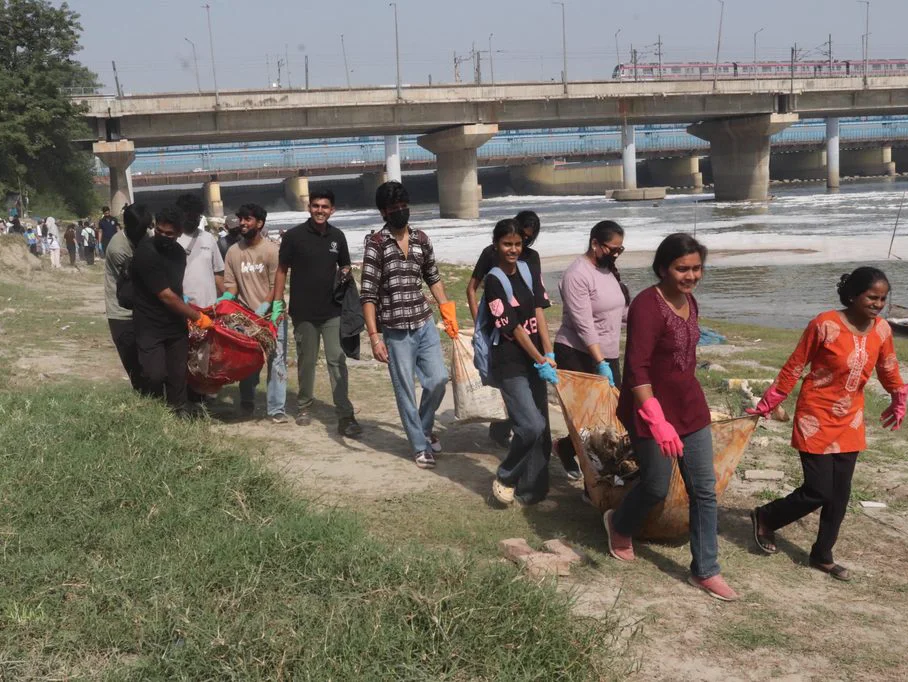
A visual showcase of the people, facilities, and processes behind Punarjeevan.
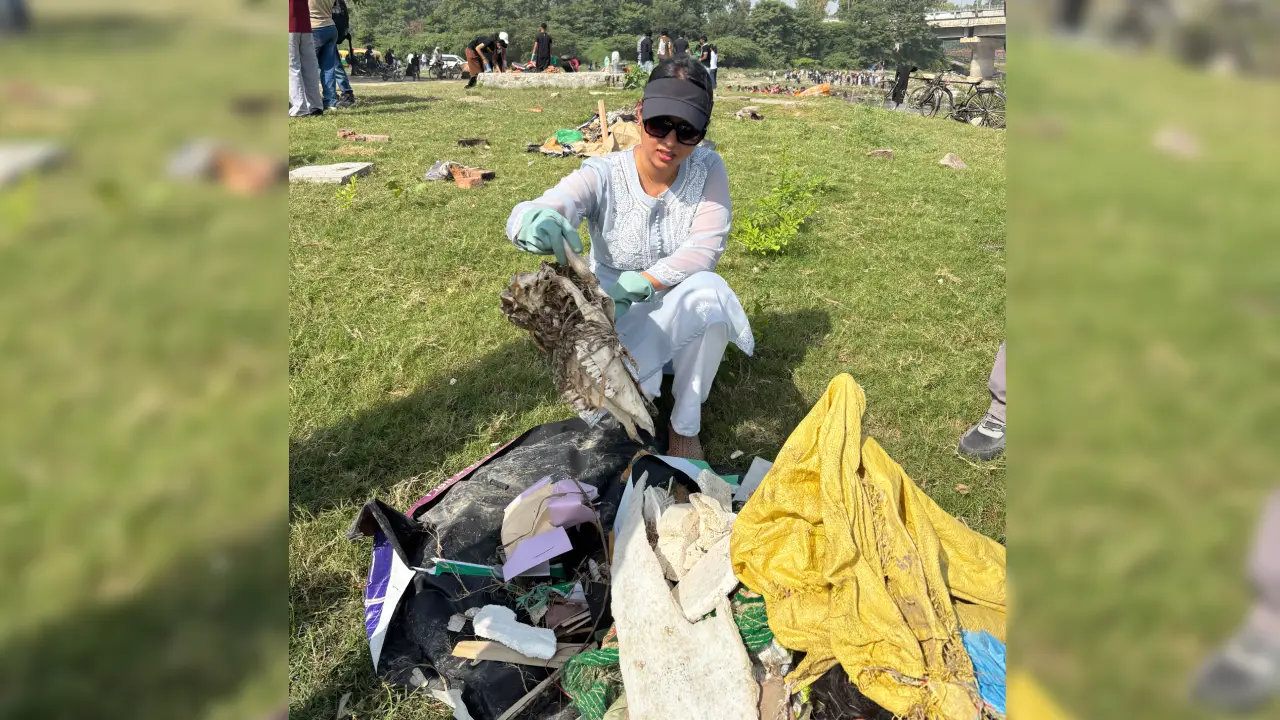
Punarjeevan has made progress towards the recovery of 7 species. This is an important starting point in our effort to support biodiversity through practical, sustained action.
7species14%
Progress involving seven species.
Development of the microgreens production lab and species-growing lab.
Building experience in cultivation, propagation and plant care.
Establishing a foundation for expanding species recovery efforts through partnerships and financial support.
Species recovery requires more than an initial intervention. It needs suitable infrastructure, materials, consistent care, monitoring, experimentation and partnerships.
By supporting Punarjeevan, individuals, companies, CSR teams, research institutions and philanthropic organisations can help strengthen the systems needed to scale our work.
Support for the lab's production and operating requirements, including growing trays, seeds, growing media, racks, lighting where required, water management and routine maintenance.
Support for propagation materials, pots and containers, growing media, species-specific requirements, labelling, monitoring equipment and plant care.
Estimated project cost · Preliminary budget: The budget for both labs is being finalised from actual expenditure and planned requirements.
You do not need to be a scientist to contribute to biodiversity. Punarjeevan welcomes individuals and organisations that can offer time, expertise, infrastructure, funding, research support or meaningful collaboration.
Through Punarjeevan, we aim to turn species recovery into sustained, collaborative action. Help us build the knowledge, infrastructure and partnerships needed to give biodiversity a better chance at survival.
Be Part of Punarjeevan