Aranya
Growing Forests, Restoring Futures
Aranya works towards restoring green cover, supporting biodiversity, and encouraging communities to participate in ecological restoration
Aranya works to bring nature back to urban spaces through community participation, tree planting, green space restoration, and the creation of healthier habitats for people and wildlife.
- 10,000+
- Trees planted
- ₹4,07,000
- Estimated project cost
- 1 Million+
- Trees to plant by 2030
Trees are more than a source of shade. They help regulate local temperatures, absorb carbon dioxide as they grow, support wildlife, improve the urban environment, and contribute to healthier communities.
Through plantation drives, collaboration with local authorities, and community participation, Aranya aims to make tree planting part of a larger commitment to ecological restoration — one that includes nurturing saplings, maintaining planted areas, and monitoring their survival.
Aranya — Impact Dashboard
Tree Plantation & Ecological Restoration
- LocationSector 2, Noida Green Belt
- Plantation periodOct 2025 – Nov 2026
- “Every tree counts”
- 10,080+
- Saplings planted
- 7+
- Native species
- 12+
- Months of planting
Species-wise plantation count
- Neem4,000
- Arjun3,800
- Bel Patra (Bael)800
- Jatropha780
- Pilkhan370
- Curry Leaf190
- Guava140
Total saplings10,080+
| Neem | 4,000 |
|---|---|
| Arjun | 3,800 |
| Bel Patra (Bael) | 800 |
| Jatropha | 780 |
| Pilkhan | 370 |
| Curry Leaf | 190 |
| Guava | 140 |
Estimated yearly climate benefits
- Net oxygen released (est.)3–10 t
- CO₂ absorbed (est.)1–5 t
tonnes per year
- Local temperature reduction (approx.)0.5–2°C
degrees cooler
Estimates for the planted green belt; they grow as the trees mature.
Key environmental benefits
- Carbon storageBuilds as the trees grow
- Cleaner air
- Cooler streetsWith time
- Biodiversity support
- Green cover & habitat restoration
Figures reported by Hiba Green Foundation from its plantation records. A tree survival census is pending.
Five connected environmental challenges
Declining Green Cover & Ecosystem Degradation
The central challenge: protecting and restoring trees, vegetation, and natural ecosystems.
Heatwaves & Urban Heat
Loss of shade and vegetation can intensify local heat exposure, especially in built-up areas.
Carbon Emissions
Fossil-fuel emissions drive climate change; trees absorb and store carbon as they grow.
Landslides
Vegetation loss can weaken slope stability in some locations, alongside rainfall, geology, and land-use changes.
Flooding
Reduced vegetation, soil sealing, and inadequate drainage can increase runoff and local flood risk.
Aranya: Restore, Maintain, Monitor
- Urban forestry
- Suitable native species
- Tree survival
- Community participation
What the data shows
- 24.3 lakh ha
- tree cover lost, 2001–2025
- 1,365 Mt
- of CO₂e released by that tree cover loss between 2001 and 2025.
- 25.17%
- of India's geographical area is under forest and tree cover.
Tree cover lost each year in India, 2001–2025(lakh ha)
| Year | Tree cover lost (hectares) |
|---|---|
| 2001 | 56,792 |
| 2002 | 47,839 |
| 2003 | 43,831 |
| 2004 | 66,411 |
| 2005 | 56,419 |
| 2006 | 61,012 |
| 2007 | 67,731 |
| 2008 | 78,641 |
| 2009 | 74,155 |
| 2010 | 47,442 |
| 2011 | 83,415 |
| 2012 | 88,012 |
| 2013 | 75,407 |
| 2014 | 1,32,072 |
| 2015 | 1,09,678 |
| 2016 | 1,64,151 |
| 2017 | 1,79,260 |
| 2018 | 1,25,295 |
| 2019 | 1,15,904 |
| 2020 | 1,30,855 |
| 2021 | 1,25,753 |
| 2022 | 1,14,224 |
| 2023 | 1,36,713 |
| 2024 | 1,26,044 |
| 2025 | 1,18,595 |
Hectares of tree canopy (over 30% cover) removed each year, from satellite data. It counts loss only: regrowth and planting are not subtracted.
Sources:Global Forest Watch India State of Forest Report 2023, FSI
From Plantation to Long-Term Restoration
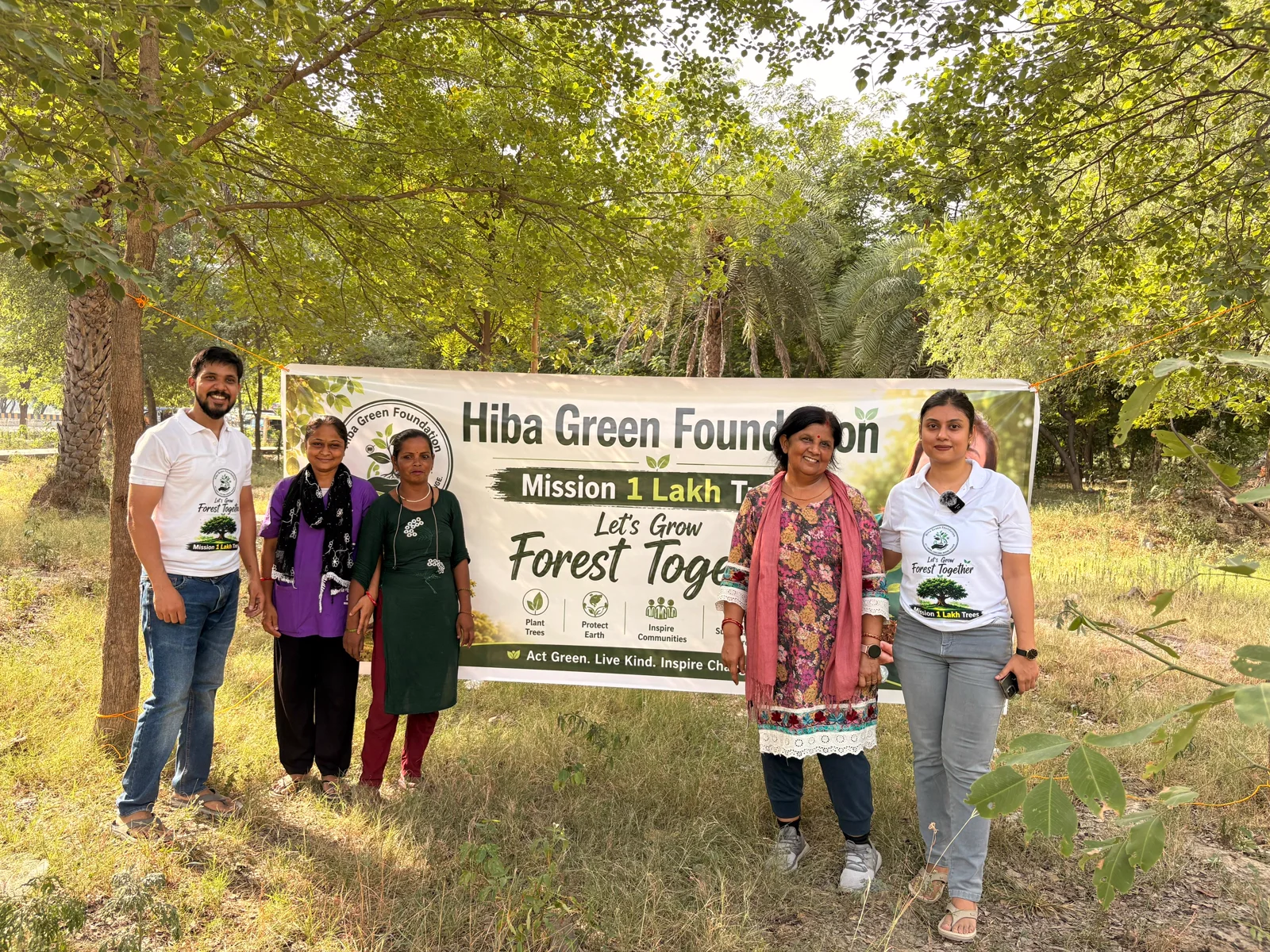
Our work has begun with plantation activities and collaboration on local environmental initiatives. We now aim to build on this foundation through systematic maintenance, monitoring, and wider participation.
The next phase is about ensuring that restoration activities are properly maintained, resources are used efficiently, and outcomes such as tree survival are documented.
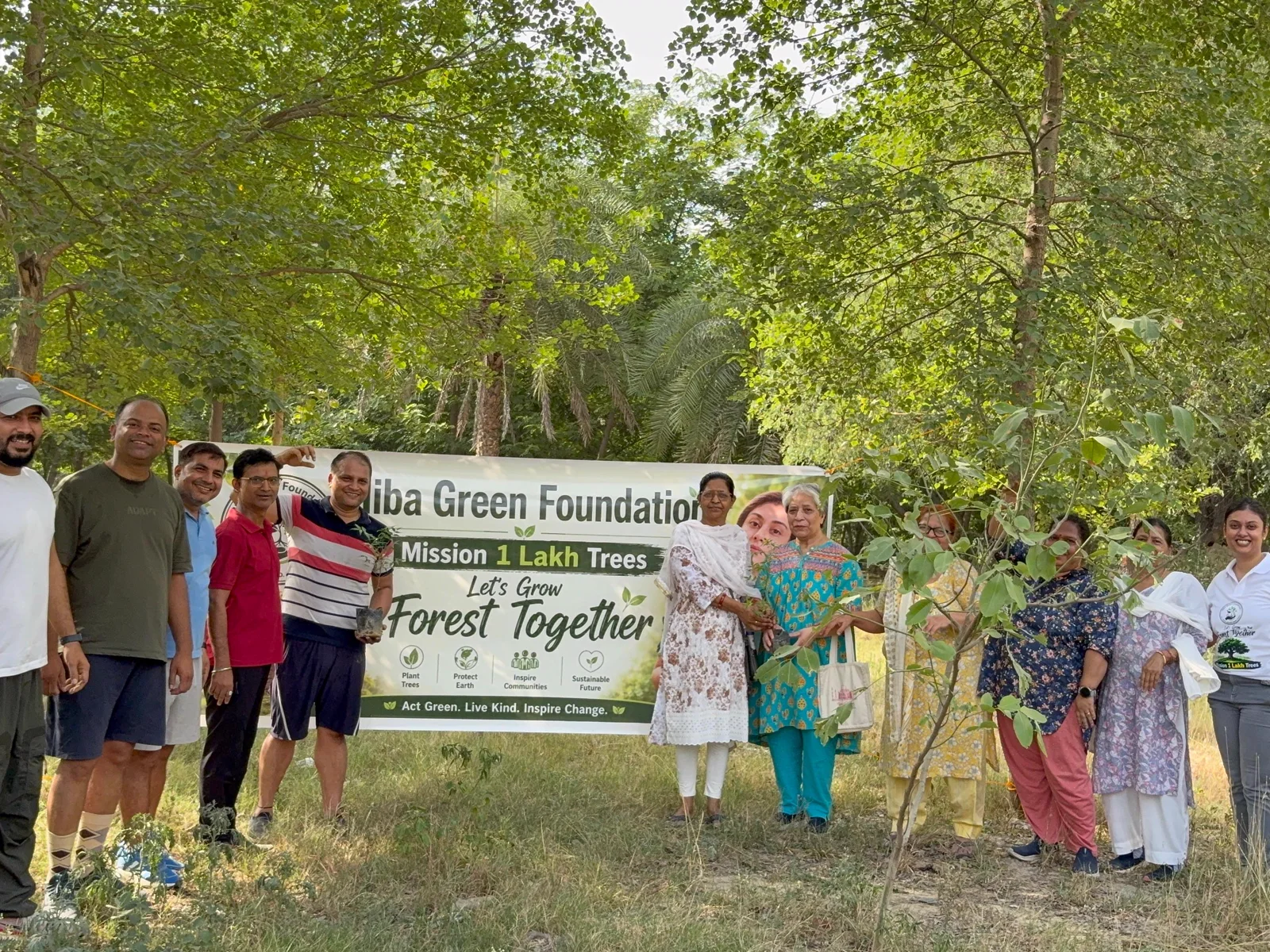
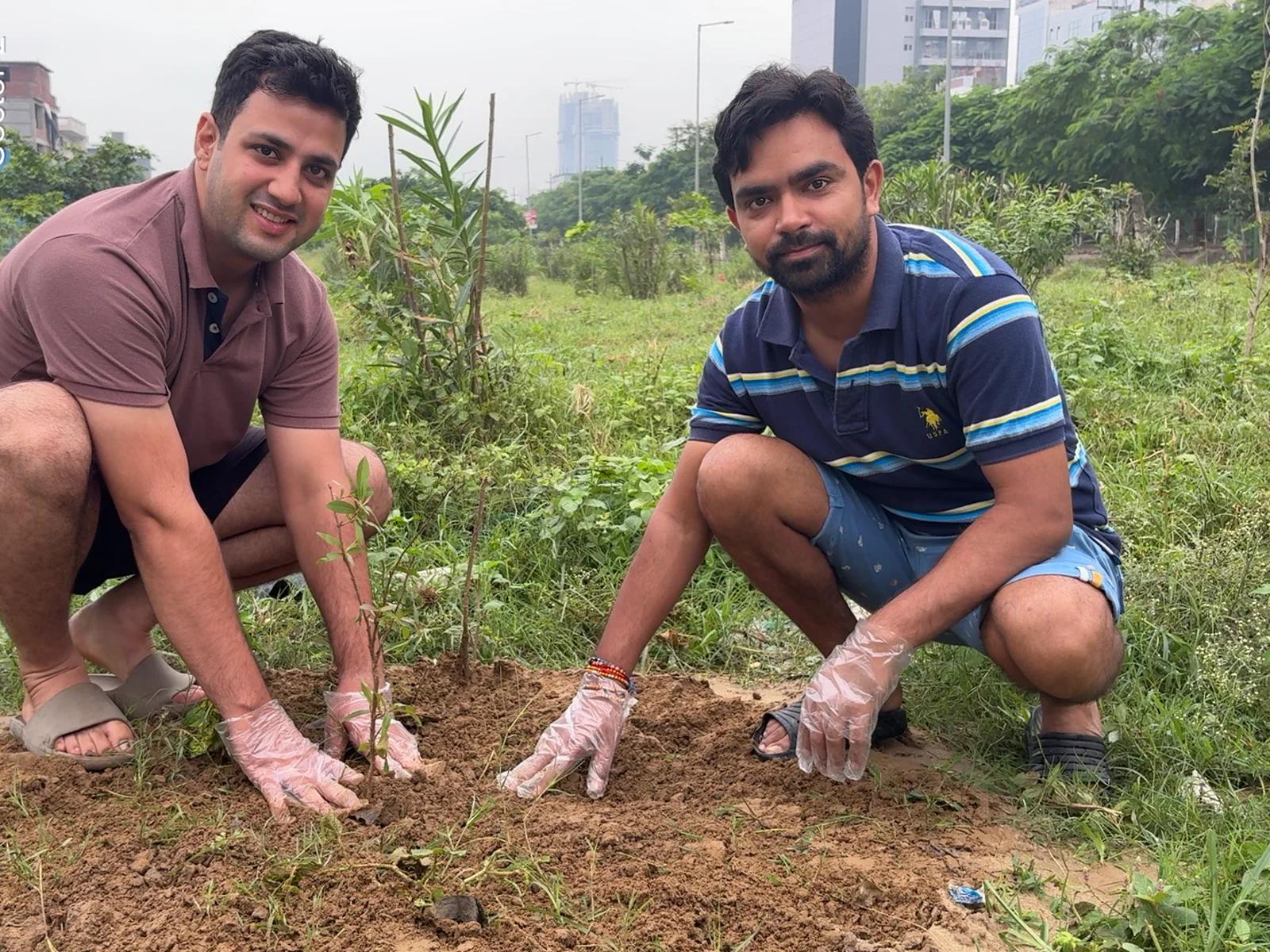
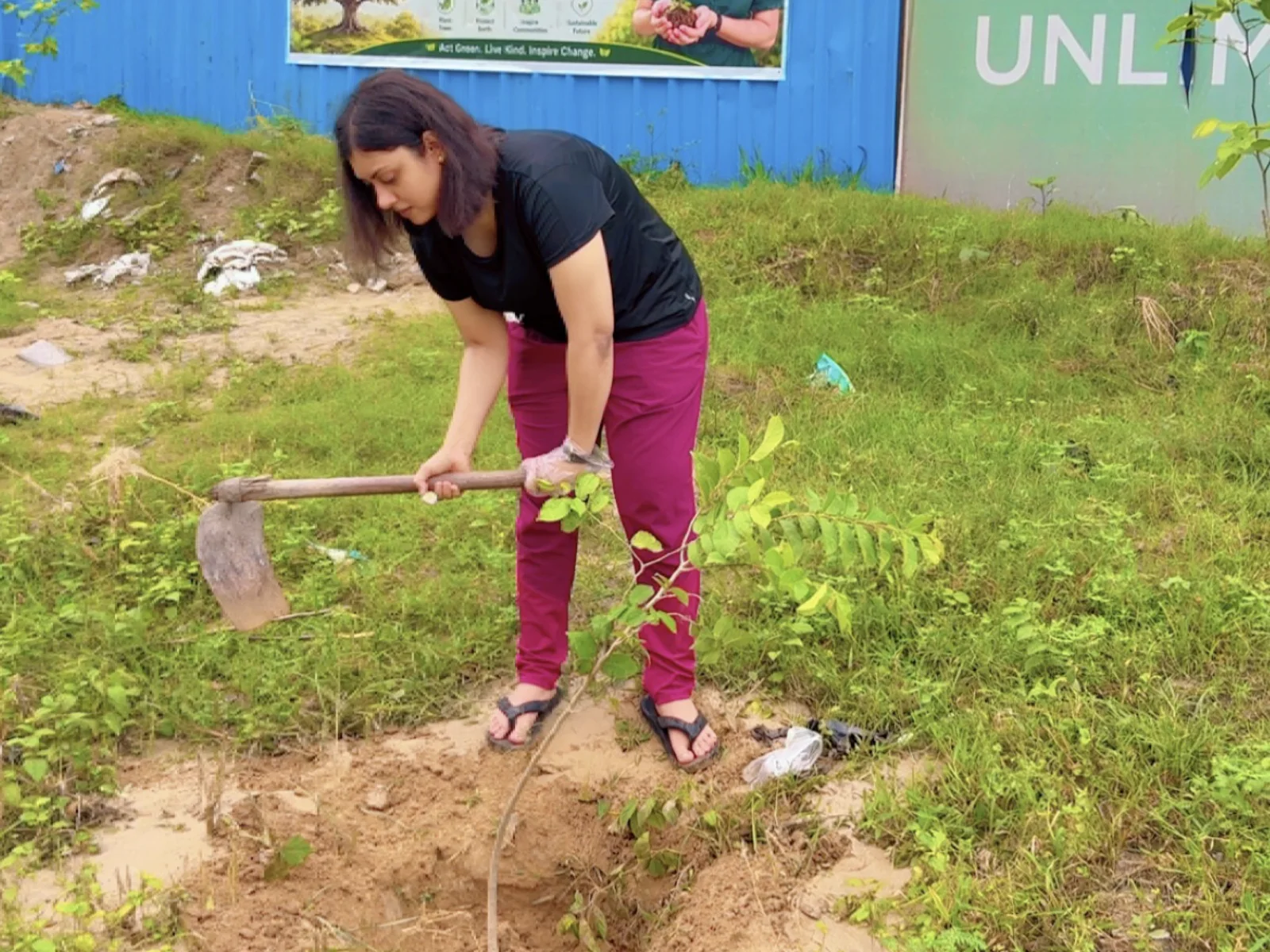
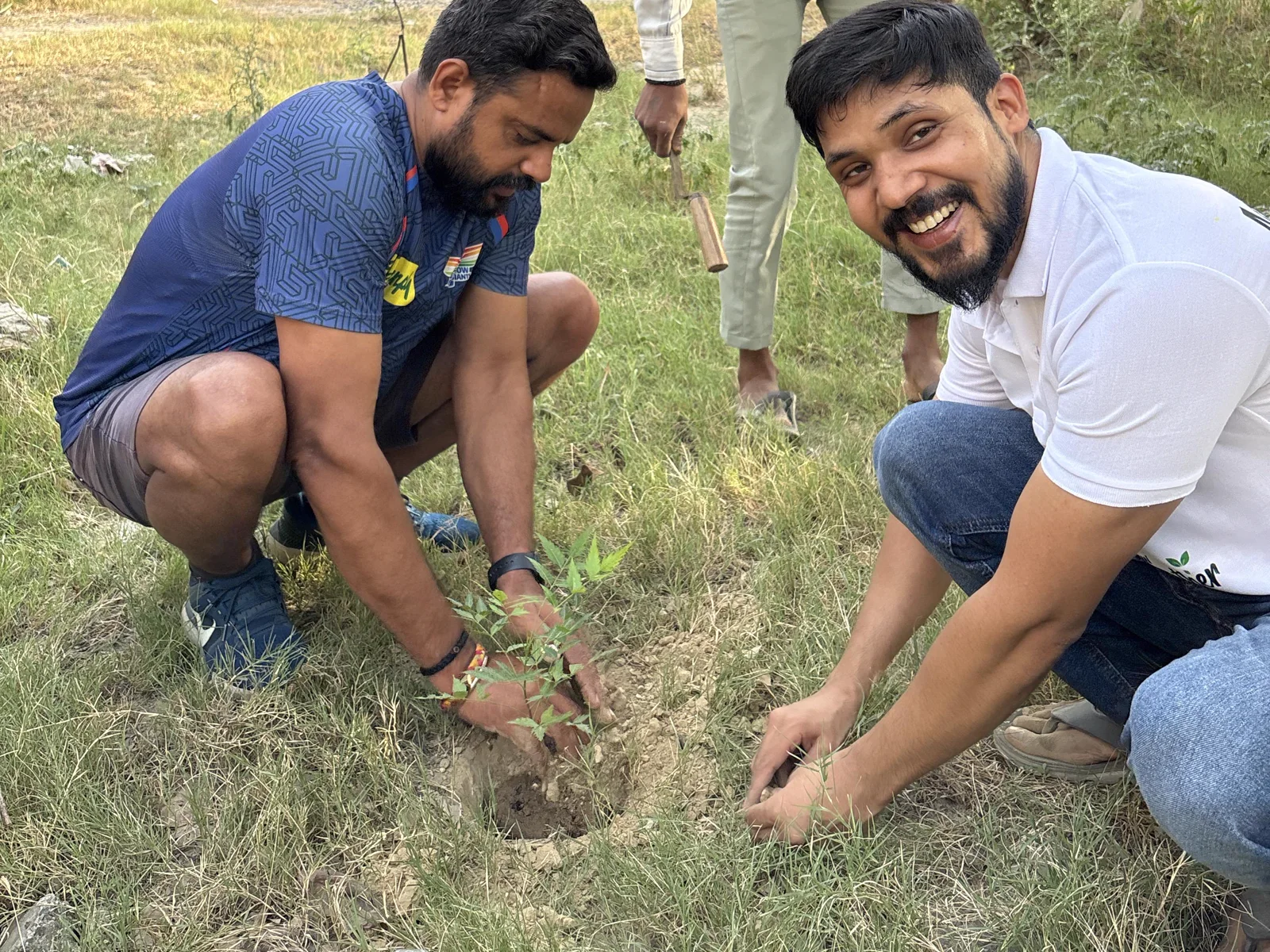
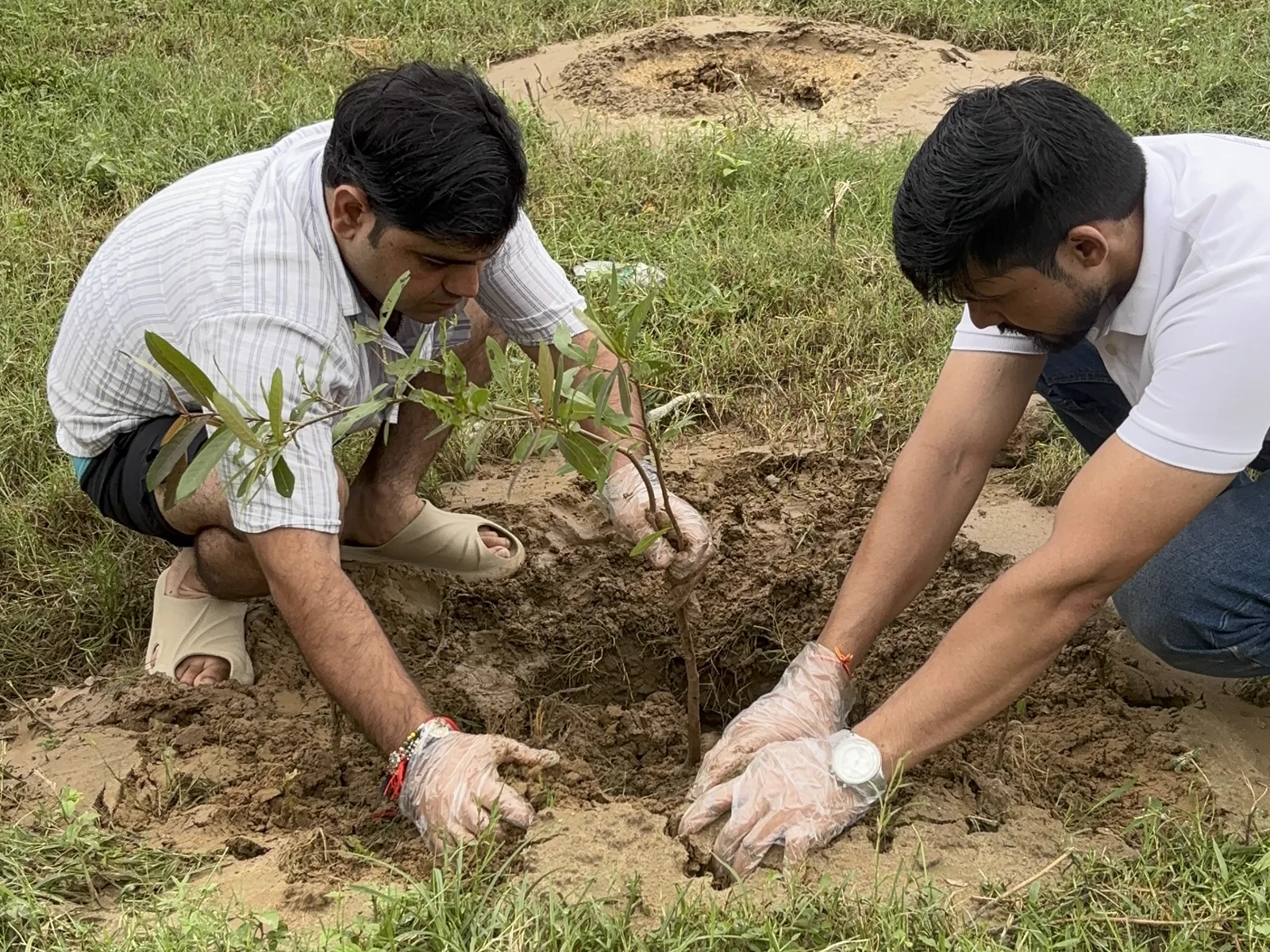
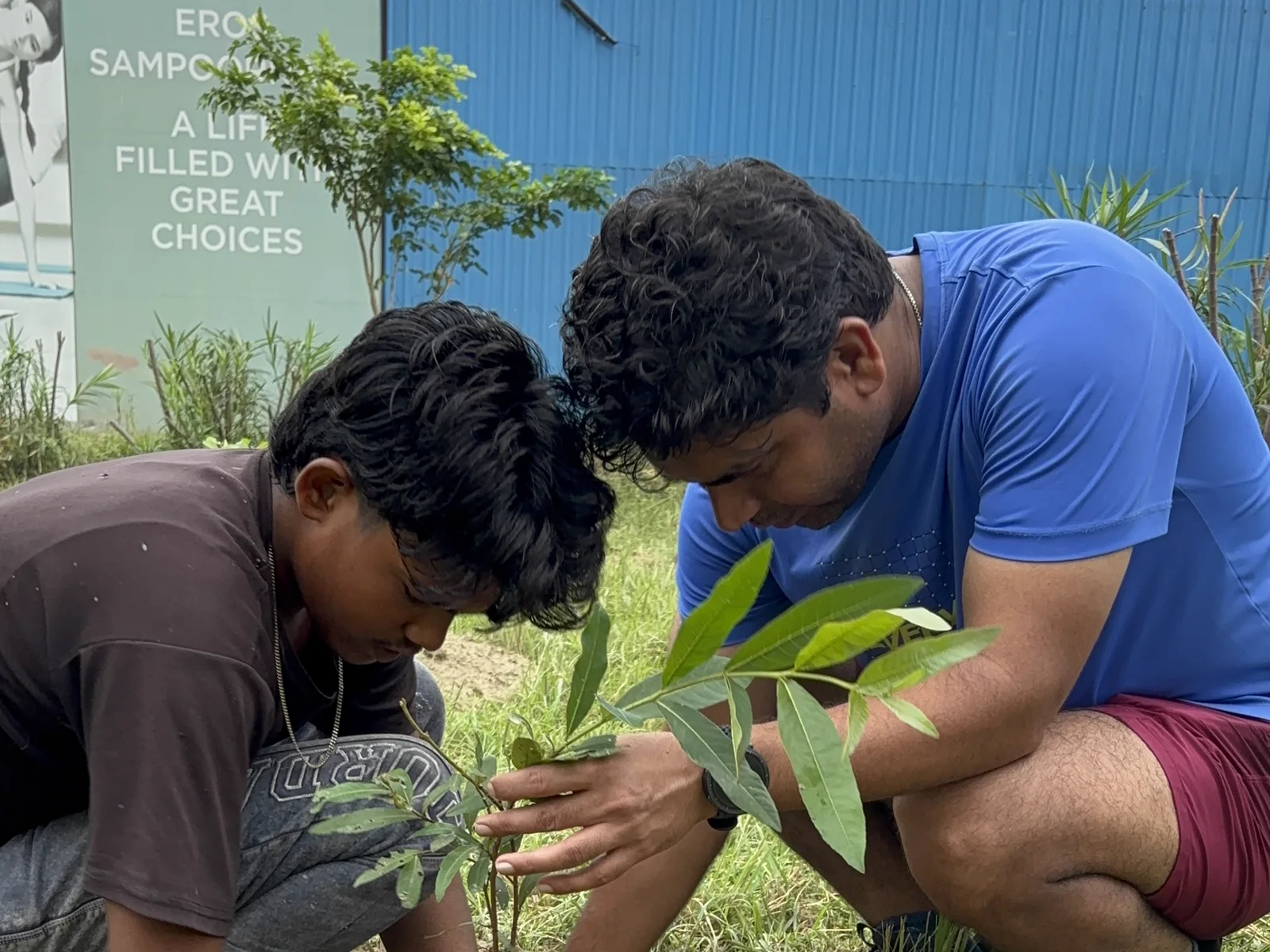
10,000+
Saplings planted
4,000
In collaboration with Greater Noida Horticulture Department
Our next priorities
- Expand urban forestry through suitable planting locations and species.
- Improve maintenance and survival monitoring.
- Build collaborations with local authorities, communities, educational institutions, and companies.
- Document plantation locations, species, survival rates, and ecological outcomes.
- Work towards our long-term goal of planting one million trees by 2030.
Help Us Grow 1 Million+ Trees by 2030
Aranya's long-term vision requires more than planting saplings. It requires resources for site preparation, suitable planting material, maintenance, watering, field teams, and monitoring.
We invite companies, CSR teams, grant-making institutions, and philanthropic partners to support specific components of our work or explore a larger programme partnership.
Where does the money go?
The following breakdown is based on Aranya's preliminary expenditure estimate. It shows how project resources are allocated across plantation, site preparation, maintenance, and field operations.
Aranya Project BudgetEstimated
₹4,07,000
Estimated project cost · Preliminary budget
Planning basis: 10,000 trees
- Saplings / plants (4,000)Procurement at an assumed ₹35 per sapling₹1,40,000
- Pit digging and soil preparationSite preparation for 10,000 trees₹1,60,000
- Manure and soil enrichmentImproving conditions for plant establishment₹35,000
- Watering and water supplyWater provision for planted areas₹28,000
- Team members' salaryField-level personnel allowance₹15,000
- Plantation labour and maintenancePlanting and care activities₹15,000
- Field monitoring, cleaning and local transportGround-level coordination and monitoring₹14,000
- Horticulture-supplied saplings6,000 saplings supplied in kind₹0
How can your organisation support Aranya?
- ₹1.40 lakh
Sponsor Saplings
Support the plantation component
Help fund the procurement of 4,000 saplings under the submitted estimate.
Sponsor Saplings - ₹1.60 lakh
Sponsor Site Preparation
Help prepare land for plantation
Support pit digging and soil preparation as outlined in the budget.
Sponsor Site Preparation - ₹63,000
Sponsor Tree Care
Support watering and soil enrichment
Help fund the estimated costs for manure and soil enrichment (₹35,000) and watering and water supply (₹28,000).
Sponsor Tree Care - ₹44,000
Sponsor Field Operations
Help keep restoration work running
Support the estimated allocation for team salaries (₹15,000), plantation labour and maintenance (₹15,000), and field monitoring, cleaning, and local transport (₹14,000).
Sponsor Field Operations
Be a Part of Aranya
Aranya is Hiba Green Foundation’s initiative to restore nature, expand urban green spaces, and support biodiversity through tree planting, ecological restoration, and community participation.
Whether you are an individual, volunteer, resident group, educational institution, or organisation, you can contribute to creating greener spaces and nurturing healthier ecosystems.
How You Can Contribute?
- Tree Plantation & RestorationParticipate in plantation drives and help restore degraded green spaces.
- Tree Care & MaintenanceSupport watering, sapling protection, maintenance, and survival monitoring.
- Community ParticipationBring together residents, students, volunteers, and local communities for environmental action.
- Resources & Financial SupportContribute funds, saplings, tools, materials, or other resources to support restoration activities.
- Knowledge & CollaborationHelp us identify suitable locations, build partnerships, and spread awareness about urban forestry and biodiversity.
- Long-Term Ecological ImpactSupport our efforts to monitor tree survival, document progress, and build greener, more resilient communities.
Be Part of the Green Movement
Whether you are an individual who wants to volunteer or an organisation looking to collaborate, your participation can help Aranya grow beyond plantation drives and towards long-term ecological restoration.
- As a volunteerJoin plantation drives, support maintenance, document field activities, and help engage local communities.
- As an organisationCollaborate through CSR funding, institutional partnerships, technical expertise, in-kind contributions, or joint urban forestry programmes.