Sakhi
Empowering Communities. Nurturing Health. Building Climate Resilience.
Sakhi is a community upliftment initiative that works at the intersection of public health, nutrition, employability, and climate action
Our approach
We believe a healthier, more equitable, and climate-resilient society begins with empowered communities.
- 1K+
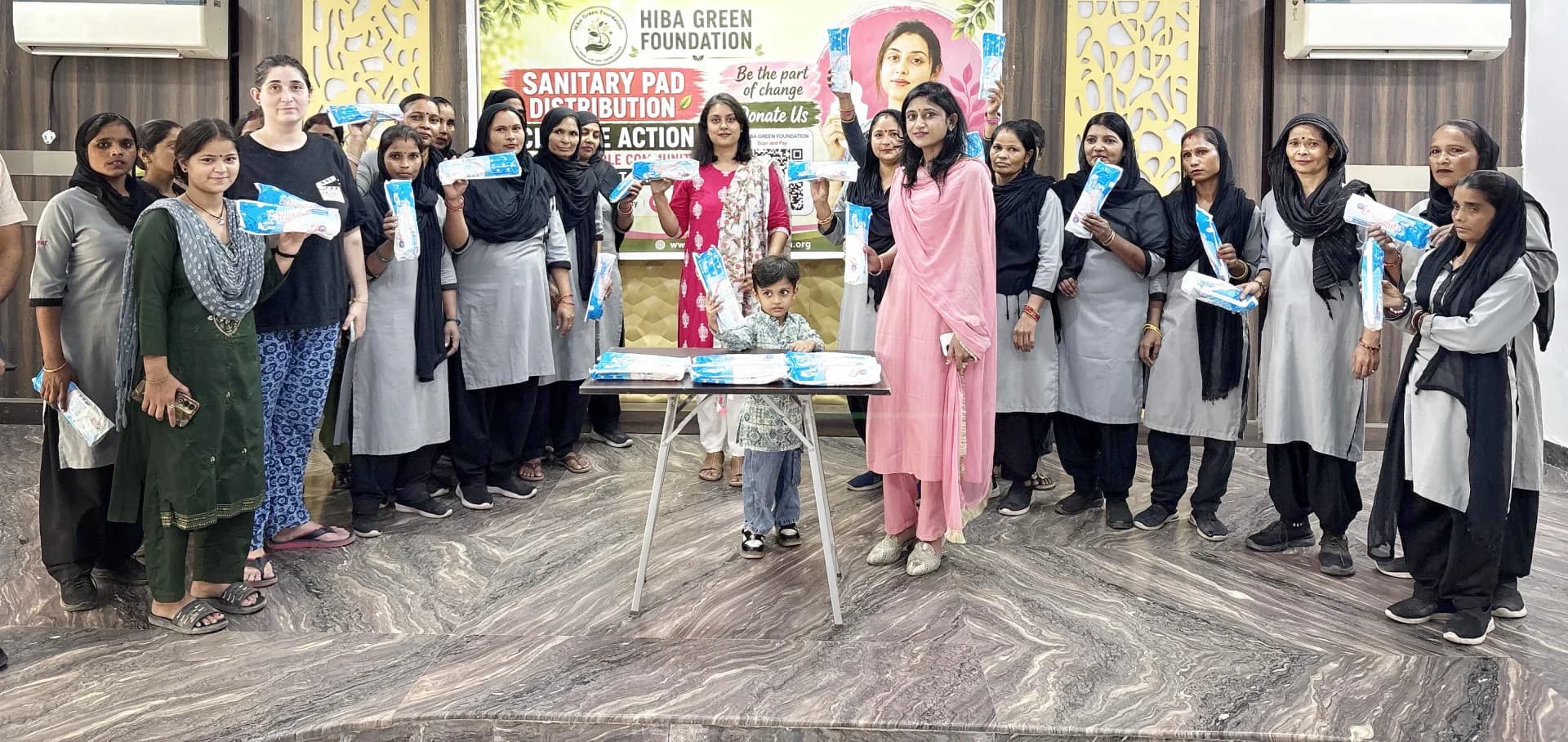
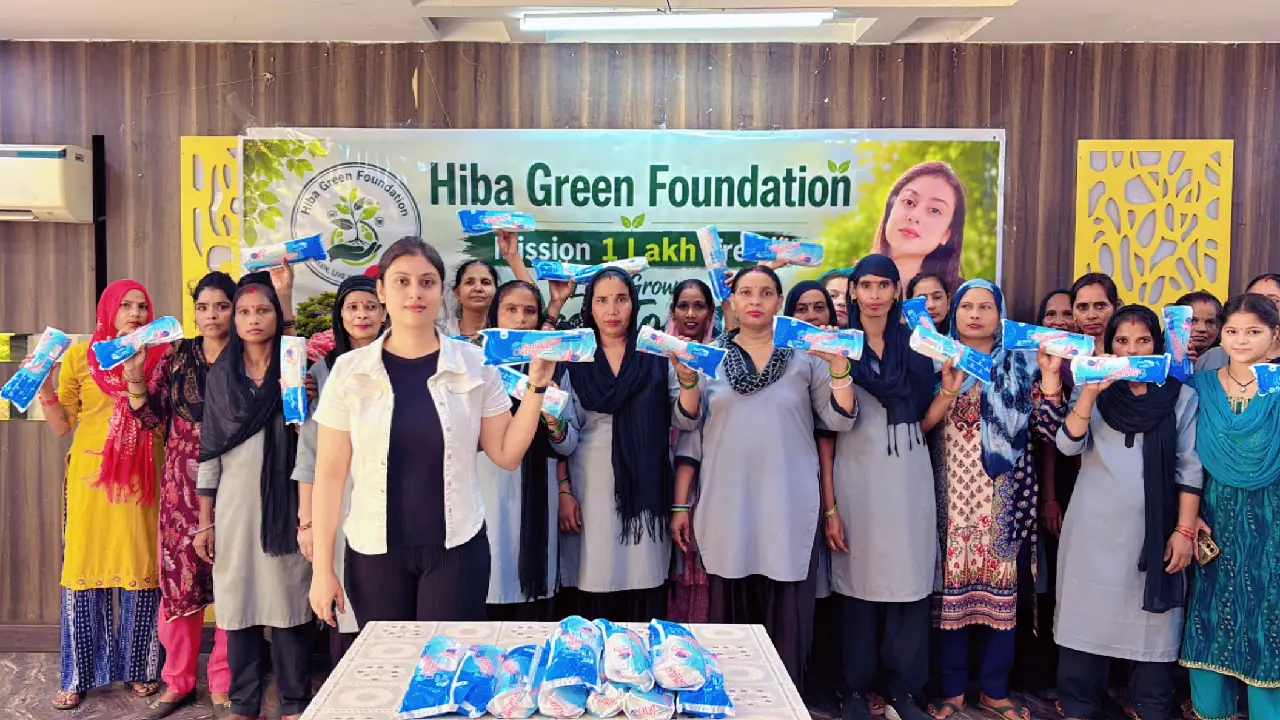
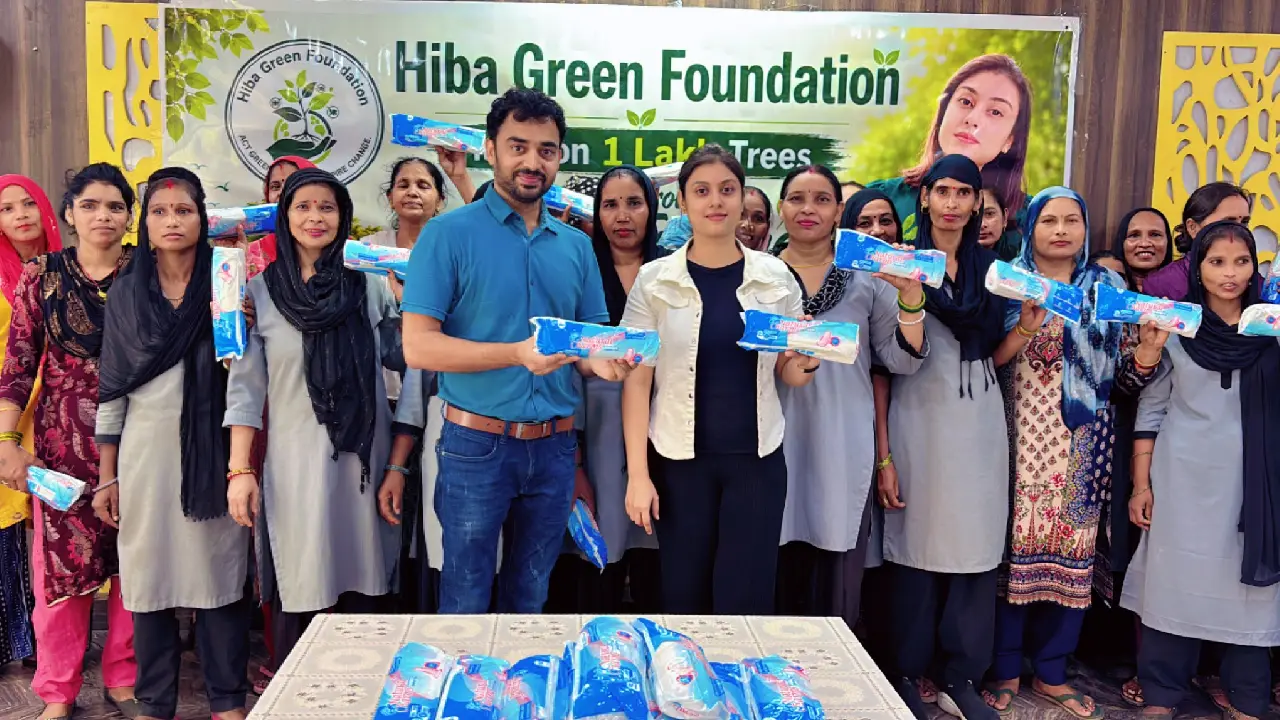
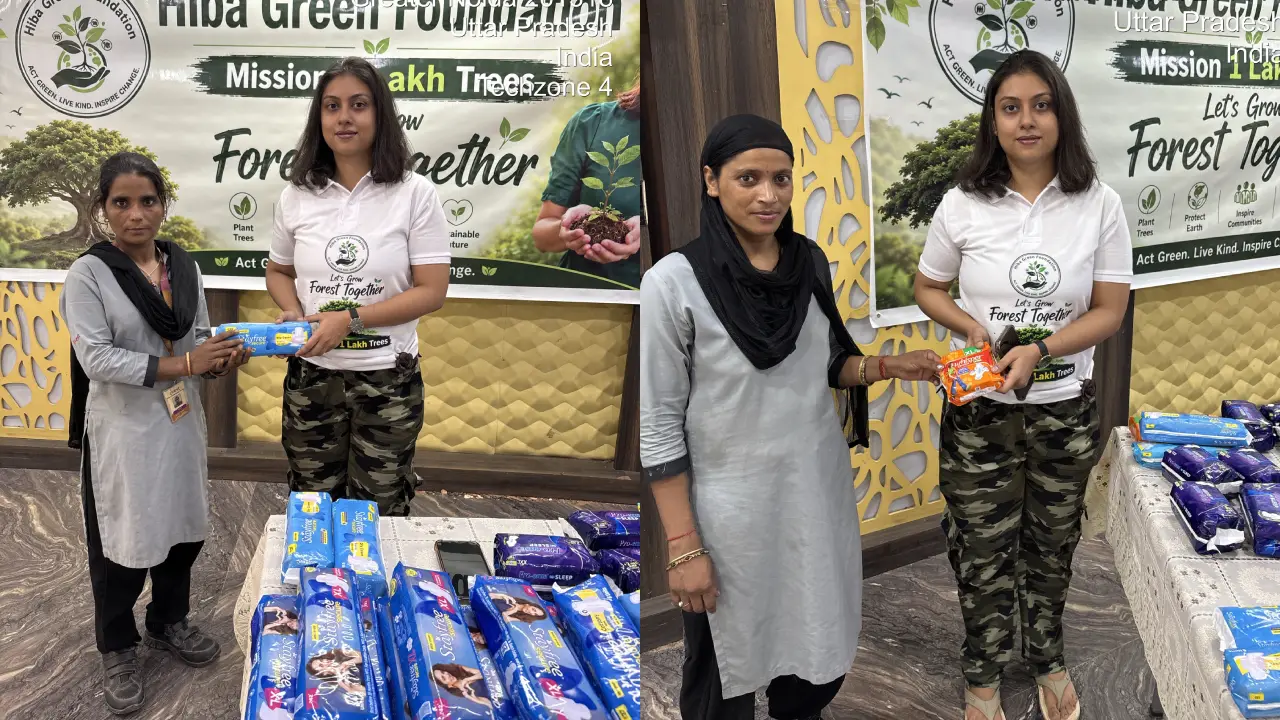
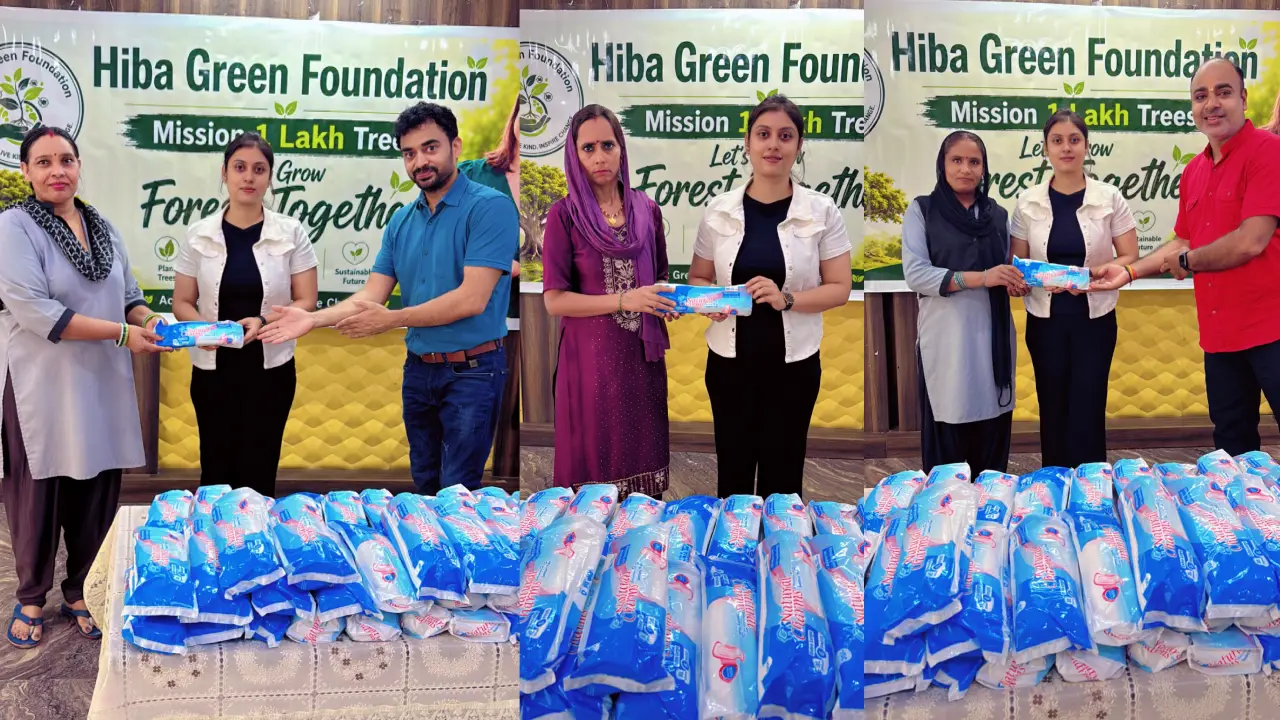
- Sanitary pad packs distributed
- Monthly
- Menstrual hygiene support
- 50–100
- Children receiving nutrition kits
People across communities face interconnected challenges, from menstrual hygiene barriers and inadequate access to nutrition and healthcare to unequal opportunities, social injustice, and environmental vulnerability.
Our approach goes beyond immediate relief. We work to advance dignity, equal rights, community well-being, and environmental sustainability through practical action, awareness, and inclusive support.
A future where every person can live with dignity, access equal opportunities, and thrive in healthy, inclusive, and climate-resilient communities.
Sakhi — Health Impact Dashboard
Menstrual Health & Dignity Initiative
- LocationNoida Extension societies
- SupportSanitary pad packs
- “Dignity for every woman”
- 200+
- Women reached with monthly support
- 1,000+
- Sanitary pad packs distributed
- 5
- Packs per woman, on average
- ₹40,000
- Financial relief (approx.)
Women reached
= 5 women
200+women in Noida Extension societies
Expected health outcomes
- Lower risk of reproductive tract infections (est.)80–95%
- Less skin irritation, rashes and discomfort (est.)70–80%
% reduction
Expected with regular use of clean products; under monitoring, not yet measured.
Why it matters for health
Clean menstrual products, regular changing and hygiene awareness can help lower the risk of:
- Urinary tract infectionsGeneral hygiene and clean facilities support well-being.
- Yeast infectionsLinked in studies to unhygienic menstrual practices.
- Bacterial vaginosisMenstrual health education and appropriate product use.
- Reproductive tract infectionsClean materials, water and access to health information.
- Skin irritation and rashesRegular changes reduce prolonged dampness and friction.
These are health risks the programme helps address, not counted cases prevented.
Figures reported by Hiba Green Foundation, to be confirmed against distribution records.
The Challenges We Cannot Ignore
Understanding the realities. Recognising the gaps. Inspiring action.
India has made significant progress in health, education, and economic development. However, persistent inequalities continue to affect the well-being and opportunities of millions of people.
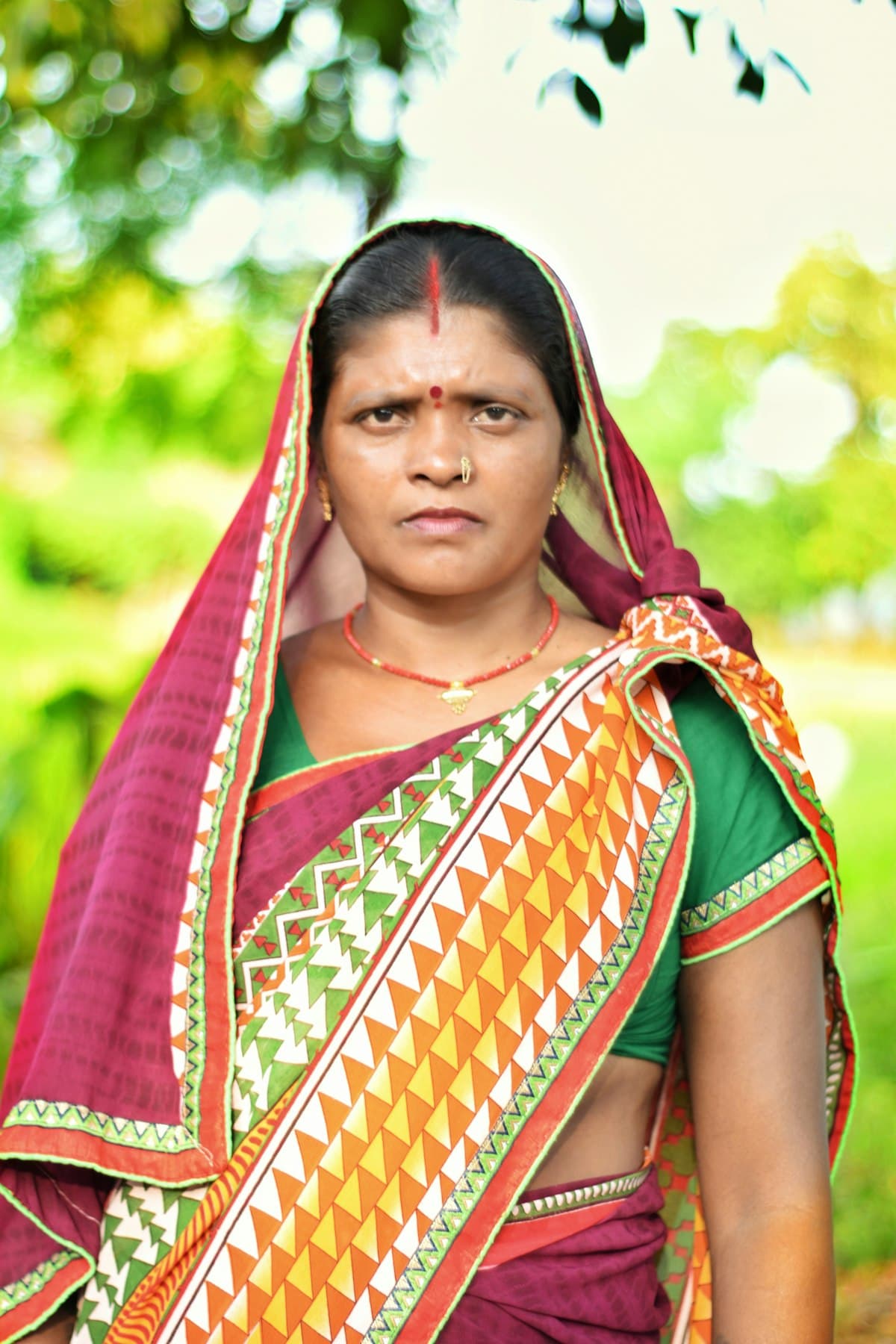 01 · Women's health and nutrition57%+
Women aged 15–49 who are anaemic
India · NFHS-5 (2019–21), as cited in Samant et al., 2025Anaemia, menstrual health barriers, and unequal access to healthcare continue to affect women's well-being, participation, and quality of life.
Source: Bioinformation (2025), PMC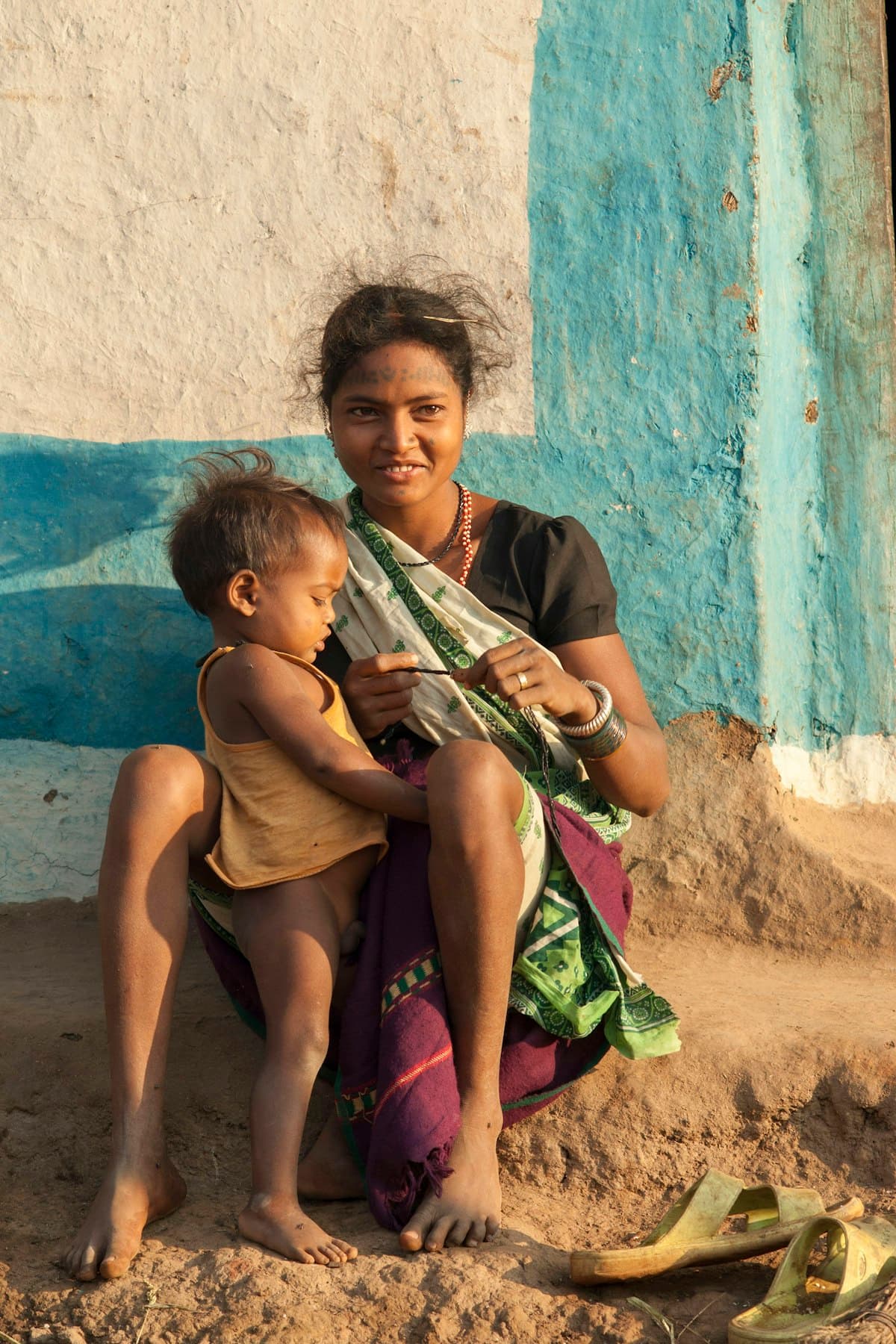 02 · Child nutrition35.5%
Children under five who are stunted
India · as cited in Shah et al., 2024Undernutrition, stunting, wasting, and inadequate dietary diversity can affect children's physical growth, learning, and long-term development.
Source: Children (2024), PMC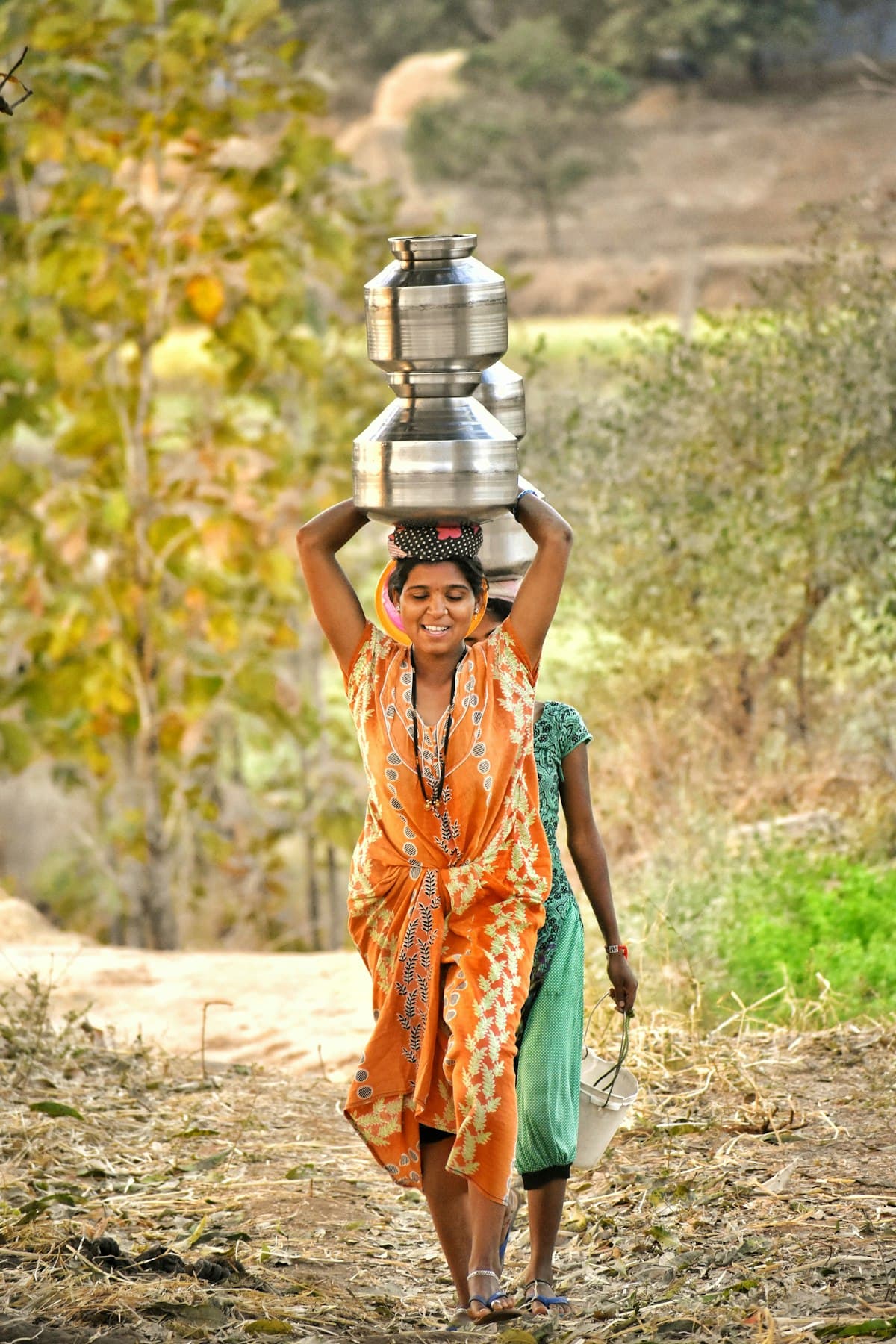 03 · Climate & genderClimate change is not gender-neutralIndia · UN Women Women Count data hub
Heatwaves, water scarcity, floods, and disruptions to livelihoods can affect people differently. Existing inequalities, unequal access to resources, and disproportionate unpaid care responsibilities can increase the burden on women and vulnerable communities.
Source: UN Women Data Hub
Why Sakhi Matters
These challenges are interconnected. Poor health can limit economic participation, inadequate nutrition can affect learning and development, and climate-related disruptions can deepen existing vulnerabilities. Sakhi seeks to bridge these gaps through community-based health initiatives, nutrition support, employability education, menstrual hygiene awareness, and responsible waste management.
Explore the data
Explore the data below to understand India's progress, persistent gaps, and the need for sustained community action.
Anaemia among women aged 15–49
Women aged 15–49; prevalence of anaemia
NFHS-4 (2015–16)53.1%NFHS-5 (2019–21)57%+3.9 pts· worseWorsened; higher prevalence indicates a greater public-health burden.
NFHS-5 factsheets, data.gov.in
Survey indicators have discrete reporting periods; not every indicator is annual. Do not combine data with different age groups, definitions, survey methods or reference periods as if they were directly comparable.
Anaemia among children aged 6–59 months
Northern states, NFHS-4 (2015–16) and NFHS-5 (2019–21).
- Jammu & Kashmir72.7%+18.9
- Rajasthan71.5%+11.2
- Punjab71.1%+14.5
- Haryana70.4%−1.3
- Delhi69.2%+9.5
- Uttar Pradesh66.4%+3.2
- Uttarakhand58.8%−1.0
- Himachal Pradesh55.4%+1.7
| State / UT | NFHS-4 (2015–16) | NFHS-5 (2019–21) |
|---|---|---|
| Jammu & Kashmir | 53.8% | 72.7% |
| Rajasthan | 60.3% | 71.5% |
| Punjab | 56.6% | 71.1% |
| Haryana | 71.7% | 70.4% |
| Delhi | 59.7% | 69.2% |
| Uttar Pradesh | 63.2% | 66.4% |
| Uttarakhand | 59.8% | 58.8% |
| Himachal Pradesh | 53.7% | 55.4% |
Change Begins at the Community Level
Small actions. Meaningful impact. A more resilient future.
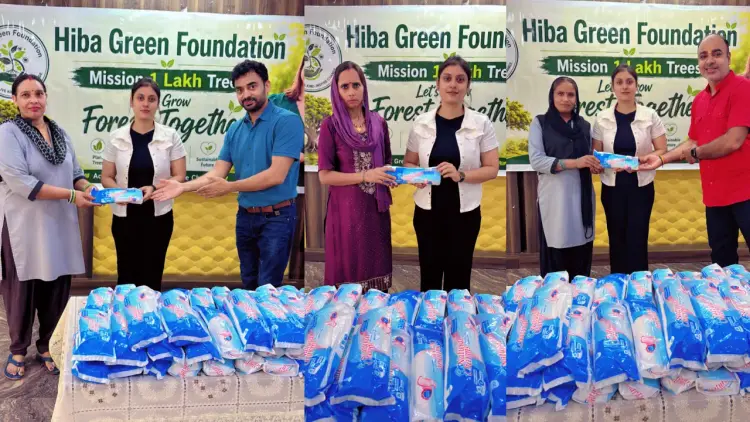
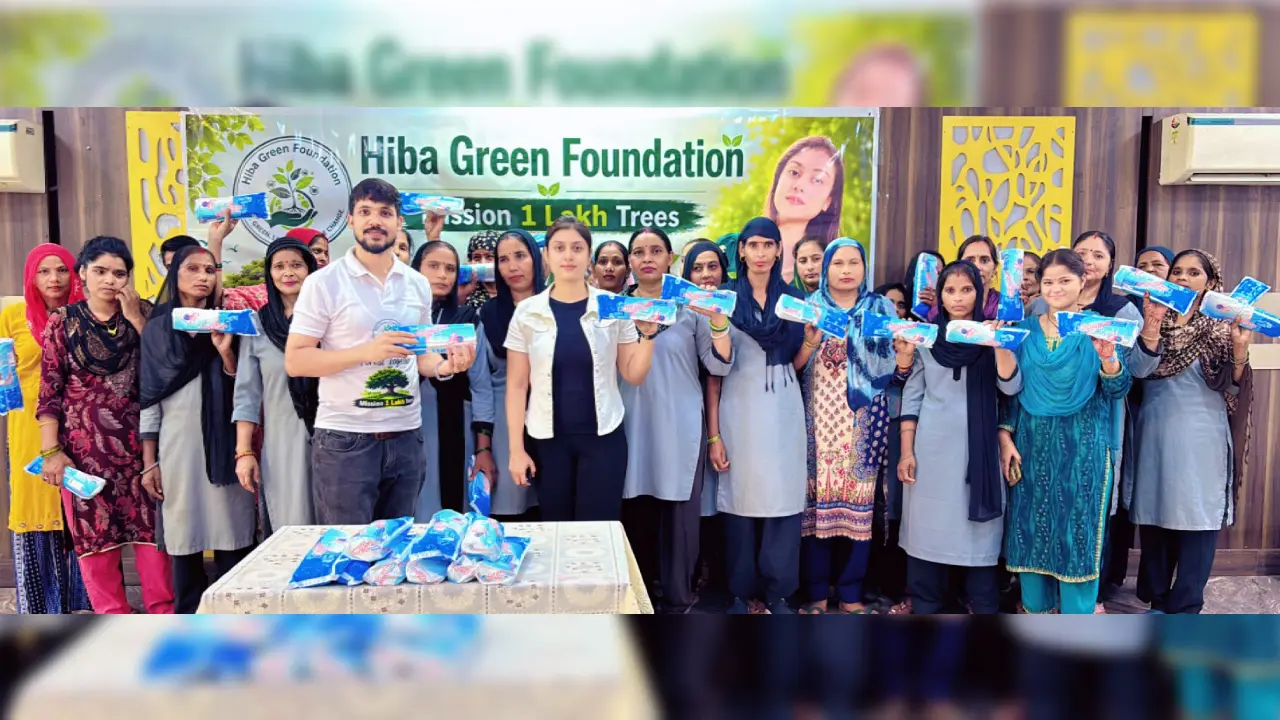
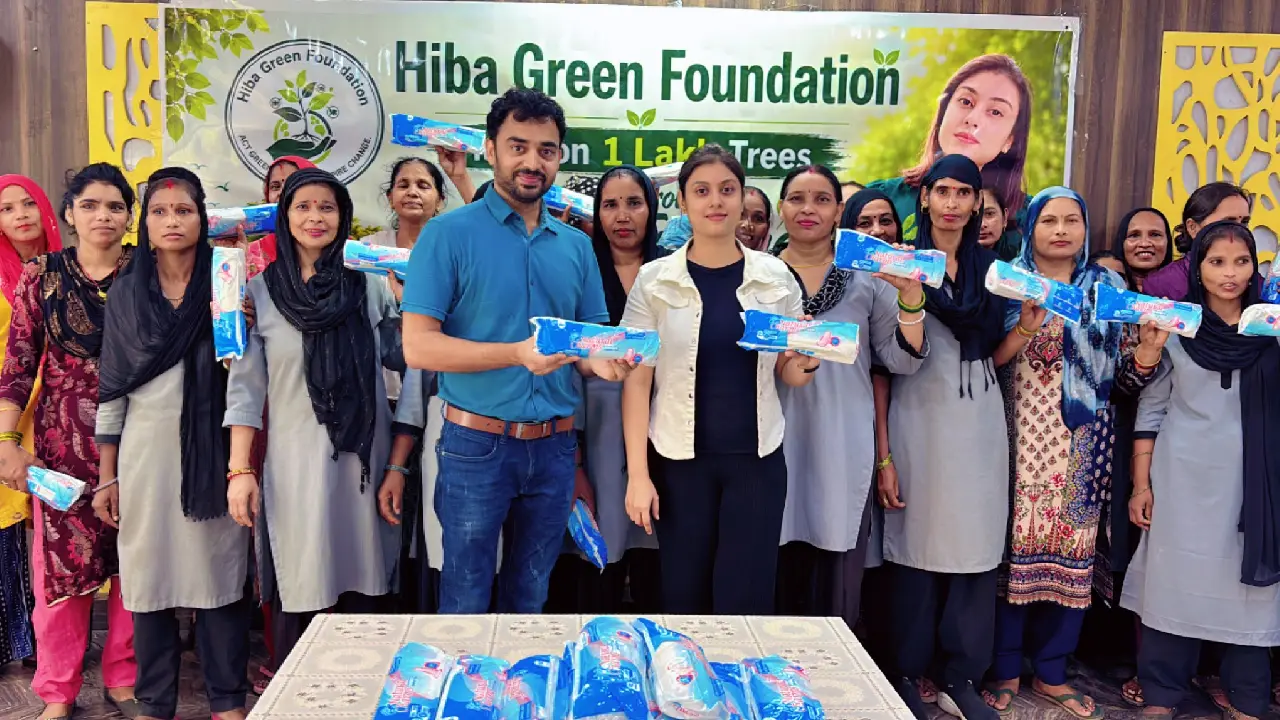
From menstrual hygiene support and community health initiatives to nutrition kits for children and employability-focused learning, our activities are designed around practical needs and long-term community well-being.
Every distribution, learning session, health camp, and community interaction is an opportunity to build trust, encourage participation, and create a foundation for lasting change.
Our work is rooted in a simple belief: healthier people and empowered communities are essential to a sustainable future.
Turning Commitment into Action
Our work across health, nutrition, education, and sustainability.
Sakhi brings together practical interventions that respond to community needs while creating opportunities for long-term improvement.
- 01
1K+sanitary pad packs distributed
Menstrual Hygiene and Responsible Disposal
We distribute sanitary pads on a monthly basis and work towards ensuring that used sanitary products are managed and recycled appropriately wherever suitable facilities and processes are available. Our aim is to promote menstrual dignity while reducing the environmental burden associated with sanitary waste.
- 02
Community Health Camps
We organise health camps to improve access to essential health services and encourage preventive healthcare and greater health awareness within underserved communities.
- 03
50–100children to receive nutrition kits
Nutrition Support for Children
We aim to distribute nutrition kits to approximately 50–100 children, supporting improved access to nutritional resources for children who need them.
Our Commitment
We are working to build a model of community upliftment that combines immediate support with education, awareness, and sustainable practices.
Our progress is measured not only by the resources we distribute, but also by the opportunities we help create and the positive changes we work towards sustaining.
Be the Reason Change Moves Forward
Your support helps us sustain ongoing programmes, expand our reach, and turn promising initiatives into long-term impact.
What your support sustains
Community-based health initiatives
Nutrition support
Employability education
Menstrual hygiene awareness
Responsible waste management
Choose a project. Support a mission. Help create lasting change.
Donate to Sakhi
Monthly membership
Together, We Can Create Meaningful Change
Your time, expertise, or partnership can help a community move forward.
Sakhi welcomes individuals, volunteers, educational institutions, healthcare professionals, businesses, and civil society organisations that want to contribute to community well-being and climate action. Whether you want to volunteer your time, share your expertise, support a programme, or collaborate through your organisation, there is an opportunity to become part of this effort.
- Join as a VolunteerContribute to community outreach, awareness campaigns, educational activities, health initiatives, programme coordination, or field-level implementation.
- Partner as an OrganisationCollaborate with Hiba Green Foundation through programme sponsorships, CSR partnerships, health camps, skills development, nutrition support, resource mobilisation, or other aligned initiatives.
We believe lasting change becomes possible when people and organisations work together towards shared goals.